As a designer, I of course have a desire to make games, but one of my stumbling blocks is programming. Since I never had any formal education in Computer Science (my degree was a Bachelor of Arts in Computer Games Design) this has always been a bit of a hurdle for me when trying to build my own games. But about nine years ago I started digging into how to do this, starting with GameMaker and its own language. I then moved on to Unity, using C#, then Unreal’s Blueprints system, and – more recently – C++ within Unreal. I’ve learned A LOT in that time, but I’ve increasingly felt that I needed a solid Computer Science foundation in order to fully understand some of the inner workings of games which will subsequently help me to program faster and more efficiently without bashing my head against a wall on problems that a lot of programmers will know the answers to quickly and easily. This became more apparent when I recently ran into a problem I’d experienced with Unreal’s AI Navigation system, which required me to delve into the source code, and – while I pretty much solved the issue – it still left me without a full grasp of how its underlying structures and syntax fitted together.
To that end, I embarked on finding quality learning, that aligned with my current level of knowledge but would push my understanding of low-level and foundational Computer Science further and found Gustavo Pezzi’s Wolfenstein Raycasting Course which starts with a JavaScript prototype, then moves into using C for the full implementation of the engine. Building a game from scratch, without an existing engine, is fairly daunting for a typical non-programmer like myself but id Software’s Wolfenstein 3D from 1992 is old enough and simple enough to understand more completely in its entirety even than something like Doom from the following year so it seemed like a good fit. Not too complex, and at my knowledge level, but also pushing me further. The course is mostly about the wall and world rendering, with a section on sprites, so there is no animation, AI, or other game logic within, but that’s fine. I was mostly fascinated with how the raw raycasting algorithm worked.
The final implementation of the engine uses plain old C, the SDL library for basic window handling, and a PNG decoder to load texture data into memory and that’s it, no other libraries or engines used. It’s a pretty magical moment when you create something purely from mathematics that then becomes an entire world on screen.
For anyone wondering how it works, the short answer is to pay attention to the minimap in the top left. The player camera is firing a number of rays equivalent to the pixel width of the screen (in this case 800 at a screen res of 800 x 450) within the field of view.
Each ray uses some trigonometry, and good old linear algebra to determine if it’s hitting a grid section that’s a wall or not. If it is, it checks the distance to the wall and vertically scales that pixel column appropriately. It then renders each vertical pixel based on a texture id assigned to the wall and the cartesian coordinates of the texture’s colour data.
Following on from my exercise in creating as small a game as possible, I graduated to creating another arcade classic but adding a few twists and graphical enhancements and essentially making it a little bit of a remaster. ‘Space Rocks’ is basically Asteroids on steroids. Like a lot of remasters it has switchable graphics that go from an old-school, retro look, to a more modern interpretation. It also includes camera shake, bloom, and particle effects. It’s also endless; since I wanted to make a small game, it was actually less time consuming to use some procedural generation to create the levels (positions and counts of rocks, background etc.) than hand craft a set amount and have to provide some kind of ‘end’.
A ‘teleport’ feature (usable once per level) that randomly moves the player to another part of the screen to get players out of sticky situations. When this happens, the player will be given a temporary shield as a grace period in case they teleport directly into a rock.
One of those old discussions about scope came up recently at work, so I was interested to see how long it would take to make something in as small a scope as possible.
So I made Pong, you can play it via the link above. It probably still has a few bugs, but should be mostly stable. You can play it in a browser in either singleplayer or a couch multiplayer mode, side by side. It uses keyboard controls but should also support XBox and Playstation controllers
It took me probably a couple of hours (if that even) to get a simple working version of it up and running. But I ended up taking it further, and over the next few evenings I coded in some pretty basic AI for a singleplayer mode, a menu to choose between the two, some audio, and fixed a load of bugs.
Pong was an obvious candidate for a small scope game: the controls are simply up and down, and any modern engine (I used Unity) can handle the ball’s physics movement and collisions pretty easily. Creating a game as small as Pong is also a great exercise in experiencing the process of creating and releasing a full game. And is, as most game developers will already know (and are always eager to drill into students), eye opening in terms of what proportion of time is spent on developing the various aspects of an entire game.
Bugs probably took up most of my time, which was mostly down to getting the ball’s physics to behave properly, and some UI issues with selection and click sounds. Aside from bugs, it was the extra features I decided to implement that took up the rest of the time. The AI for the singleplayer mode is pretty rudimentary and can still definitely be improved. Despite this it still took up a fair proportion of the time.
AI Mechanics
The AI predicts the path of the ball by first checking if the ball is heading towards them. It then casts a ray from the ball’s position, along the ball’s forward direction, until the ray hits a point on the right edge of the screen. It takes the Y position of the point hit, then moves towards it (at the same speed a human player could for fairness) in order to block the ball. Obviously this would produce a perfect block every time, provided that the AI could reach the blocking point in time, so I introduced a random factor of error by adding or subtracting a random amount into the Y position to try and simulate a real player not quite guessing the path of the ball correctly. This process is then repeated after a short time (also randomised within a range) for correction as the ball is continuing to travel towards the AI.
The ball is casting a ray in the direction of its travel. At this vector it will hit the top right corner, so the AI moves to intercept it.The main AI coroutine, it’s recursive, but the delay before it repeats again is set in the coroutine itself
The AI could still do with some improvement. As of yet it does not correct itself for the ball’s position more accurately as the ball gets closer (just as a human player would), but this is pretty easy to fix. It also only tries to predict the ball’s final position when the ball is facing towards the right edge of the screen, it cannot predict the direction of the ball before a bounce from one of the top edges. This is trickier to fix as I have to calculate the ball’s direction vector after the bounce. It’s possible of course, but I’ll have to dig into some more physics maths.
Extra Mechanics
While Pong is a simple game, there are strategies and mechanics that permit more skilled play, and deepen its gameplay somewhat. By changing the direction of the ball depending on what part of the paddle it hit, we can add some player control to its velocity. In my version (and I think this is similar for the original) if the ball hits the very centre of the paddle it will move horizontally back across the screen. However, if the ball hits anywhere between the centre and the top edge of the paddle, its direction will be altered according to how far it is from the centre, up to a maximum angle of 45 degrees.
So if the ball hits the very top edge of the paddle it will be fired upwards at a 45 degree angle. If it hits the bottom edge it will be fired downwards at 45 degrees. If it hit exactly between the centre and the top edge it would be fired upwards 22.5 degrees and so on.
The mechanic also provides a nice risk/reward balance. Hitting the ball closer to the top or bottom edge of the paddle is harder to pull off and you risk losing the ball. However managing to do it, and hitting the ball off at an extreme angle, makes it harder for your opponent to catch.
The ball has hit the top edge of my paddle, therefore it will direct itself at probably the maximum angle upwards (45 degrees)
All in all, it’s a good exercise in creating and releasing a full game, and all the pitfalls and challenges that come with it. The basic (probably buggy) version took me an hour or two, but that version had no win conditions or anything that could define it as a complete game. Everything else took me a few more evenings to create, package, and release a full game. If anything it’s a reminder of that old maxim that the last 10 percent is 90 percent of the work.
Now that it’s done though, I could still improve it more, but I might start making other classic games just to see what the process is, and there’s always something new to learn even from the smallest of titles.
Here’s a thing I bought recently. I’ve never been a collector, but recently felt a strange urge to acquire something for myself (and shelf) that had plenty of influence and meaning for me from my childhood, as well as having an influence on my career.
Mike Singleton’s Midwinter feels like the culmination of the innovative wild imagination of the bedroom coding era. But for a game released in 1989 it sits – snugly nestled – between the two worlds of that and accessible, standardised, RPG design.
My copy of Midwinter is notable for a few things, not least its classic big box design, but also its 5.25″ floppy disk format, the ones that were actually ‘floppy’ in addition to its more modern 3.5″ cousin. And while big manuals were commonplace for the era, this one is special. It includes information on the nature and creation of ice ages, a prominent theme within its world.
In the 1980s, environmental issues were starting to make headlines, with new terms entering the public consciousness, such as global warming, and the hole in the ozone layer. Midwinter takes note, and frames the warnings of climate change around a meteor disaster that causes massive global cooling and the onset of a second ice age. Its world is a snow-covered island, one of the few habitable places left on Earth, where its citizens, survivors of the disaster, have managed to cling on to life and lead a peaceful existence in harmony, for now.
Midwinter is vast, 160,000 square miles of snow covered terrain and all generated in 3D. For 1989 it was quite a feat. Braben and Bell’s Elite in 1984 had popularised the open world and Midwinter had taken it even further, into the realm of fully realised 3D terrain, painstakingly created over (according to the manual) ‘six man years’.
This towering achievement has the player skiing, sniping, driving, and hang gliding in order to take back control of your island, all to bring back peace from the machinations of maniacal despot General Masters, a man hell-bent on bringing the population under his control.
Ultimately your goal is to destroy the headquarters of Masters himself, but if the enemy army can capture all the heat mines (the only source of power for its citizens) on the island before you get there, it’s game over. To slow their advance you can sabotage warehouses, supplies, and fuel dumps in their path. You can destroy their vehicles, and if you’re lucky enough to kill an officer’s vehicle, all the men under them will desert, making their advance considerably slower. Strategically planning your next move can be done through careful observation of the in-game map, and through the help of the island’s citizens.
Initially you are restricted to playing as the protagonist, Captain Stark. But as you travel the land you meet with new characters who may, or may not, agree to help you. Each character is unique, with strengths in some skills and weaknesses in others. Each character also has relationships with others on the island and their relationships will determine how likely they are to join your cause. Using Captain Stark it is usually easy to convince fellow police officers to join with you, but try getting the master sniper Rudel on your side and he’ll probably snub you. But talk to him while playing as Davy Hart, Rudel’s young apprentice, and he’ll be more than willing to join.
It’s reminiscent of the systems in games like Jagged Alliance, where certain mercenaries are unwilling to work with others given their relationships.
Time
Perhaps Midwinter’s most interesting feature though is that allows the player to control multiple characters within the same time frame. Within a two hour period the player can choose any character that has joined your cause, and have them perform actions in the world that will help thwart General Masters’ advance. These will usually be the kind of things that play to that character’s strengths. Every character has their own watch to keep track of the two hours of in-game time they have to do whatever they want before they must check in for a situation report. When they have used up those two hours they can’t do anything more. Switch to a different character then, if you have one, and use the same two hour timeframe. Once each character has used their time they all check in for a situation report, and only then are the next two hours freed up. In this way each character gets to perform actions within the same chunk of time, without the player having to try and juggle all their movements and actions at once, as if they were playing an RTS on a huge scale.
The two watches show the current time, vs the time till the next situation report. Stark’s current time is the same as the situation report, so he can do no more until the player clicks the situation report button and all characters in the team are allocated the next two hours.
The method paradoxically feels like a real-time, turn-based system. You can live the real-time thrill of sniping, driving, and skiing, while also able to experience the depth of strategy and variety that comes from controlling multiple personalities. You can coordinate characters and mobilise them – in a method not too dissimilar from guerrilla warfare – to use actions that play to their strengths in order to maximise your damage to the enemy. It is almost necessary to use more characters too, as trying to hold back the enemy alone means you have to try and be in multiple places at once. With every character that joins you though, this job becomes exponentially easier.
Of course, if you spend too much time trying to gather people to your cause you may may have let the enemy advance too far. Gathering more people also requires more complexity, and more careful planning, and so a balance has to be struck.
It is a blend of the best parts of both systems. Today that setup could have been leveraged as a co-op multiplayer system, but in 1989 that wasn’t really possible. It’s a good case for how the restrictions on technology give birth to innovation.
Each time you start a new game you are placed in a different settlement, though never too close or too far from the enemy HQ, giving the game plenty of replayability and a more organic feel. It’s balanced enough that a player can take multiple legitimate options without feeling cheated. Want to try and rush it alone? You can. Want to try and hire better skiers and snipers this time than those great drivers you hired last time? Sure, experiment, see how things turn out. The system is balanced enough and flexible enough to warrant a use for many different strategies, and its huge world makes the options for strategy feel limitless. Each new game brings out its own emergent narrative, something I greatly appreciate in games
Mike Singleton in 2005
Mike Singleton sadly died of cancer in 2012 so we will never see his hand in any new games. There was a hotly talked-of remake back in 2015 (shown below, and built in Unity), but the project seems to have died out. I do feel like Midwinter, or at least its systems, is begging to be seen in some kind of modern version, maybe I’ll just have to start one myself.
The seemingly abandoned remake 😦
Ultimately though, and if there is anything to be gained from this, Midwinter demonstrates that occasionally we can find value in playing older games, and discovering unique systems and mechanics that have otherwise been lost to gaming history.
No, not 3D modelling, and no not catwalk modelling either. But rather the way in which we represent intellectual property, narrative themes, and real world roles in games. Modelling therefore, in the context of game design from here-on refers to how a game implements the themes and actions of the original narrative or real world activity that it is based on. I’ve recently been drawn into thinking about these concepts since playing a particular board game that models its source material quite superbly, one that is based on The Lord of the Rings.
War of the Ring
War of the Ring is a popular grand strategy board game based on the Lord of the Rings books by J.R.R. Tolkien. It’s a competitive two-player game where one side plays as the dark lord Sauron with his evil forces of Mordor, and the other as the Free Peoples of Middle Earth with their fellowship heroes. It is certainly grand, and games can be very long, akin to the likes of Star Wars Rebellion and the Game of Thrones board games.
What War of the Ring manages astonishingly well, is to make you feel like you’re reliving the story of The Lord of the Rings, despite the fact that each game feels likes its own separate story and the player’s own separate spin on the original tale. You have plenty of agency and free will to make your own decisions on how to move your characters and armies, yet each game feels connected to the plot and themes of the books.
These themes and plot points of The Lord of the Rings are expressed in the game through mechanics that span from simple, to deep implementations. For example, at a basic level, one of the rules for the character of Saruman is that he can never leave his region of Isengard on the map. This models the events of the story (in the films) that Saruman indeed never leaves that region. But this is a very basic rule that brute forces that particular aspect of the story onto the player. What makes the game more interesting are the deeper methods of making the player feel like they’re recreating the story of The Lord of the Rings.
For example, as the Mordor player, you must constantly search for the ring. You do this by assigning the limited dice you have available at each turn to be used for this purpose. Thus, the Mordor player must make a decision each turn: spend more time focussing on the hunt for the ring, or instead use more dice to move armies and conduct battles. This models nicely into the idea that Sauron’s gaze can be distracted by his lust for the ring. In fact this idea is used as a strategy at the end of the book where the Free Peoples lead an assault against Mordor in order to distract Sauron from focussing his gaze on Frodo, who is very close to destroying the ring.
Hope, Immortality, and The Machine of War
The Free Peoples’ hope for victory hangs by a thread, the elves are leaving the lands, and what good is left in the world must hold out against a tremendous force. The huge growing armies of Mordor are formed in an almost industrialised method. Hope relies on Frodo destroying the ring in Mount Doom as the Free Peoples cannot hope to achieve victory through force of arms alone, unless they band together.. yet some are more reluctant to go to war than others…
All of these ideas are expressed through some nifty mechanics in War of the Ring. The Free Peoples are fragile, and when one of their units is killed, they are permanently removed from the game. When a Mordor player’s unit is killed however, it is put back into the supply pile, ready to be mustered on to the battlefield once more. The Free Peoples player therefore sees his units as more fragile, their life more precious. The Mordor player sees their units as indispensable pawns. Given this scarcity of manpower, the Free Peoples’ player must also convince more races to join in war against Sauron if they are to have any hope of defending themselves.
War of the Ring’s political track requires that each race first be ‘At War’ before they can muster armies or move them into enemy territory. This staged process can be advanced through use of a certain dice roll, invasion of their territory by the enemy, or – for the Free Peoples’ player – visiting a race’s settlement with their heroes. It’s a system that neatly ties into the book’s narrative about races who, for various reasons, are unwillingly to go to war, or even help one another, and must be persuaded to, lest they find themselves succumbing to Mordor.
The political track for each race is advanced through invasion of their territory, a dice roll, or persuasion
Each game of War of the Ring still manages to feel different, each game still creates a new narrative, one that is personal to both players. Yet each game also still captures the essence of The Lord of the Rings’ story. And this is really the key, it is the essence of the story, the themes that are important, not the events of the story itself that make the player feel they are a part of Middle Earth at this point in its history.
The name’s Bond, I murder everyone
Goldeneye on the Nintendo 64 is a fantastic game. In 1997 it was the first commercially successful first person shooter on a console that convinced me that consoles could do first person shooters well (and this is coming from an almost exclusive PC player).
But while Goldeneye was amazing, I feel that its modelling of Bond and the narrative themes and tropes that come with that saga were lacklustre. Bond is much more than just shooting and gadgets. He’s skilled in the art of deception, interrogation, he’s a driver, a pilot, a smooth talker, a gambler, and of course, a womaniser (though that last point is maybe not the most tasteful thing to model in a game..). That last point, and his orphaned past, even provides a potential hook into mechanics that explore his flaws.
It’s important to point out though, that not modelling Goldeneye accurately to those themes of a Bond movie (or book) doesn’t make it a bad game. It didn’t really matter, the game still held up to the cold light of mass criticism; it’s still a good game. Conversely, it’s also just as important to point out that none of this is suggesting that effective modelling in games creates a great game either.
But it’s interesting to wonder what Goldeneye would look like if it was modelled more faithfully to the tropes of its source material. IO Interactive – they of Hitman fame – are currently working on a 007 game, and to be honest, I feel like the recent Hitman trilogy from 2016 onwards actually embodies the themes of Bond more than Goldeneye did, which could make for a new Bond game by them really quite interesting.
Narcos: Rise of the Cartels
Narcos, the XCom-like game based on the TV series about drug lords, wasn’t received particularly well, commercially and critically. But what stood out most to me was how the gameplay bore little resemblance to the actual plot points of the TV show.
Like Goldeneye, the Narcos game focussed on one singular element of its source narrative, shooting the bad guys. Progression in the game is also confined to a series of linear missions, with some additional side missions thrown in for flavour. But there’s so much more to Narcos than that, and the series has so much more potential for interesting gameplay. Gathering evidence, exposing corruption, persuading politicians, using informants, all of these activities act as setups for combat but are just as relevant to the source material.
Alien: Isolation
But are there any examples of good video games that also model their source material well? I think Alien: Isolation is a good candidate. It explores and expresses such themes and tropes as: survival of the fittest, loneliness (isolation, literally), heritage, motherhood, and primal fear.
The second Alien film (Aliens) utilises strong themes of survival and motherhood in the relationships between not only the principal character Ripley and the sole child survivor Newt, but also a further entangled relationship with the Alien Queen and her eggs. Even the Facehuggers themselves feel like a warped, distorted, and terrifying allusion to the trauma of giving birth.
Alien: Isolation’s principal character is Ripley’s daughter, setting out to find her mother, during which she encounters abject terror in the form of the Alien, and corporate corruption in the form of Weyland Yutani. Additionally the mechanics of Alien: Isolation feel like a childlike game of hide and seek, except the hunter is the Alien, an apex predator and the only known species to effectively threaten human survival. Through some of its mechanics then, Alien: Isolation has managed to really capture the spirit of the franchise, while also being a great game.
But how do we model a game effectively to its source material?
Like a lot of things in design, or art in general, I don’t think there’s an easy answer or rule. After all, no game design survives beyond first contact with its players, and I certainly would never profess to have all the answers. But maybe there are a few things that we can do to help capture the spirit of the source material, such as:
Identify the deeper themes and tropes.
Understand that effective modelling may not just be about replicating narrative, but more about making a player feel the same way they do when consuming the source material.
Identify the problems that characters face in the source material and how they overcome them. How would this be represented as a game mechanic?
Why a character does something, may be much more important than what they do.
And of course, playtest. Playtest, playtest, playtest.
There is no such thing as a perfectly balanced game.
Or at least so I’ve heard, fromvarioussources. Thinking about it makes sense though; Chess, Go, and even Noughts and Crosses (Tic-Tac-Toe) for example, both rely on one player starting first, despite each player having precisely the same tools at their disposal, being restricted by the same rules, and all playing within entirely equal environments.
If we were to design a game like Chess, we could feel relatively safe in the knowledge that certain aspects of the game were safe from balancing problems. This is because both players use exactly the same amount of board space each, and have exactly the same number and type of units. The rules or methods of play could change, but then it is reasonable to assume that those changes would be applied to both players. Yes we could still make an overpowered chess piece, or too many of them, but our opponent would be given the same too.
Games designed with asymmetrical mechanics however, may not have the same luxury. They often have to be adjusted and scrutinised for balancing, and in the case of competitive multiplayer video games, this is important. There are exceptions to this, Zach Gage’s ‘Really Bad Chess’, flips all these balancing rules of chess on their head by populating the board with a random proportion of each chess piece, and makes them different for each player, and simply lets the player have fun with the new system.
Zach Gage’s ‘Really Bad Chess’, an interesting experiment in throwing all the balancing rules out of the window.
What is Asymmetrical Design, and Why?
Depending on how far you’d want to go with the definition, and how deep the asymmetry, I’d describe asymmetrical design as games where some or all of the tools, objectives, resources, and methods a player has at their disposal are exclusive to them, and mechanically unique.
Examples of asymmetrical design would be games like Left 4 Dead’s multiplayer that pits survivors against zombies, with both teams using different methods during play; Chris Hecker’s Spy Party, a magnificent reverse Turing test, where one player tries to act like an NPC while completing objectives and the opposing player must figure out who the real player is and snipe them; Keep Talking and Nobody Explodes is about one player defusing a bomb and all other players using a manual to tell them how to do it; upcoming DOOM Eternal’s ‘Battle Mode’ pits a player as the DOOM Guy against two other players as demons, skewing both the play-style and quantity of players on each side; and of course, Starcraft II.
Spy Party from the perspective of the party-going spy.Spy Party from the perspective of the counter spy sniper.
But why do we use it? Asymmetrical design leads to variety, and gives us choices. It can prevent repetitive strategies. It requires that our opponent knows as much about our gameplay mechanics as we about theirs. And it allows us, in some cases, to almost feel like we’re playing an entirely different game to the other player. Essentially it prevents boredom, but it also can encourage the player to devise creative ways of defeating their opponent.
As fun as asymmetrical games can be though, it still almost always needs more balancing than a more symmetrically designed game, because exclusive dominant strategies are much more disruptive than shared ones. Dominant strategies make all other strategies practically redundant, leading to uninteresting gameplay and wasteful design. Dominant strategies therefore, are bad enough when both players can deploy them, but even worse when only one side can, leading to huge advantages for one player.
Starcraft II
Blizzard, I believe, are masters of game balancing. And what makes this most impressive is that they manage to balance games that are either filled with a variety of asymmetrical mechanics, or are huge sprawling games that contain masses of content, or even sometimes both. World of Warcraft would be an obvious example here with its diverse class system and huge world full of dungeons, bosses, and the chance to take part in PvP.
However, I want to focus on Starcraft II (2010), one of the biggest real time strategy games of the last ten years, with a legacy that stretches back to 1998’s original game (and beyond if we were to count the RTS design of Blizzard’s Warcraft games too). I’ve started playing a lot of Starcraft II again recently, and what continues to impress me is how Blizzard have managed to create a game with so many asymmetrical mechanics, yet still keep it balanced and interesting enough to become, and stay, the premier competitive multiplayer RTS in the world. Why am I looking at a game that’s almost a decade old you may ask? Well, I still think it’s relevant, and while it’s not as popular as other competitive multiplayer games anymore, the fact that it is almost a decade old and still going strong is a testament to its quality. It’s also, in my opinion, a good game and a good example of asymmetrical design without going too bonkers; so there. There are other games that are more asymmetrical yes, but given its multiplayer esports status, it’s important to recognise it as something that demands ultra tight balancing, something made more difficult with asymmetrical design.
Let’s look at a clear example of how Starcraft II utilises asymmetrical design in some of its fundamental mechanics. This is most apparent in the mechanics of the three races: Terran, Zerg, and Protoss. All three have quite distinct and unique ways of producing units and buildings.
Before we start though, it’s important to note that the way that the economy is built through the acquisition of minerals and gas is exactly the same for all three races: worker units gather minerals from patches and take those minerals back to a central base building. Similarly, once the appropriate building is placed over a gas geyser, workers collect gas from it in exactly the same way. Ok, back to the races, we’ll look at just two: Terran and Zerg, and leave the Protoss out for now.
The Terran is perhaps the most recognisable of all the races, especially in terms of how we understand traditional RTS mechanics. Worker units build structures, and a worker must continue to stay building it until it’s done. Some of those structures produce different types of units that pop out from the structure once they are built. These mechanics force the Terran player to build many structures of different types in order to quickly build up a large army.
The Zerg is probably the most unique race of the three and brings mechanics to the game that seem difficult to reconcile with those of the Terran. Its worker units still build buildings which still take time to complete, but the worker unit is consumed in the process. Building units as a Zerg player is even more left-field. Zerg units can only be built, or birthed, from eggs at the Hatchery building, the main base building. Furthermore, some Zerg units can only be created by morphing from a different, existing unit. These mechanics force a Zerg player to expand their bases much earlier than other races in order to quickly build up a large army.
Each race also has a ‘macro’ mechanic, a tool that is periodically used to assist the player. For Terran it is an ability to mine extra minerals, for the Zerg it is the ability to create more larvae at the hatchery, increasing the number of units that can be built at once.
It’s a very diverse system that has the potential to create an interesting web of unique mechanics, but in some ways seems very difficult to balance all of that. Now of course, two players can play the same race against each other, which in effect nullifies the diverse approach each could take to victory. However, I think there are enough interesting choices and strategies to be made in Starcraft II, even in the case of a mirror match.
The pictures below demonstrate the unique methods each of those two races goes about buildings some of its units and structures. There are more factors that go in to the mechanics of these races but we’ll keep things relatively simple for now.
Starcraft 2’s multiplayer has become a game that relies on tight timing and fast decision making, with games that can be over in a couple of minutes or half an hour. So, given this and what we know about the races from the above images, it begs the question…
How the #!?* do they balance that?!?
Too often our (or at least my) gut reaction to balancing a game like this would be to study individual units, identify what could counter them, and then create a new unit for that purpose, or modify an existing one. The problem with this approach though is that there is a potential chain reaction where the new or modified unit unbalances another aspect of the game as there are hundreds of possibilities and eventualities associated with every unit. To try and start imagining a scenario for every single unit in a game where the player has control of many different units, structures, and the economy of the game is a recipe for madness. In fact it’s difficult in a symmetrical game, let alone an asymmetrical one.
Here’s the disclaimer, I’m not a designer at Blizzard, nor have I ever been. I mean, I’ve messed around in the Warcraft 3 editor in my time, but that hardly counts. So what I’m about to suggest is pure theory, some might even say conjecture. But anyway, aside from playtesting, I think what effective balancing here partly comes down to, is thinking about it by looking at the bigger picture. In this case, thinking in terms of ‘production’, or ‘how much stuff can I build in how much time’.
For example, if we think about what we can achieve in the first two minutes of the game for all three races, are we able to build up a force that can match that which another race can build? After we identify what we can build in that time, we can then compartmentalise that subset of units and structures, and more easily focus on the balance of them.
In fact this timing is something players, especially at the higher levels think about a lot, and this is sometimes measured in ‘time since the game started’, or the ‘supply’ level (the maximum number of units they can field at this time). For example: The game is two minutes in, at maximum efficiency, what army composition could the opponent feasibly have in that time? Or: at twenty one supply, what kind of army should I aim for by then?
Obviously it’s not all about production, as we have to factor in the traits of the individual units themselves: how fast do they move, how much damage do they do, can they hit land or air units, etc. But we could start to apply the same formula here too. Imagine it as zooming out from the focus on ‘what unit counters what’ and start thinking about what a player can achieve within a certain amount of time.
We can use this to also determine balancing that happens later in the game when more units, buildings and technologies are built. For example: with three bases, all mining the maximum amount of resources, what kind of army could we afford in 30 seconds?
Applying this line of thinking also helps us to understand how the macro mechanic for each race is balanced too. While on the surface they seem fundamentally different (Terran’s gives extra minerals, Zerg’s gives extra larvae to build more units), both help in speeding the production of a larger army. Zerg can create more units at once from the extra larvae, and Terran can use the minerals to build more unit producing structures, thus able to create more units at once.
What can we learn from this?
Trying to look at the wider picture, rather than concentrating on what our first instinct towards balancing would be, can, I believe, help a lot. If we looked at balancing a game like Starcraft II, with the attitude of trying to band-aid mechanics only at the microscopic level, instead of also considering the macroscopic bigger picture, we could easily end up with an incoherent patchwork quilt of a game.
Identifying our universal restrictions in the game can help us get our heads around balancing for asymmetry. In the case of Starcraft II, one of our universal restrictions is time, it is the same for all players in a match. It takes time to gather resources to afford new structures and units, it takes time to build structures and units, and it takes time for those units to move across the map to attack or defend. Correctly identifying these shared restrictions in an asymmetrical game can help us navigate the minefield of balancing for one.
However, we should also remember that no game is ‘truly balanced’, or ‘truly symmetrical’, and that to try and make one such, without enough variety of choice and decision making at any one point in the game, can make the choices we do have available, meaningless.
I’m enjoying some of the maths that goes in to scripting and thought I’d branch out a bit by trying my hand at mathematically formed curves. I made this in GameMaker and you can play a demo of it here: https://pyman.itch.io/quadratic-bezier-curve-demo
The code’s not actually too tricky once you can visualise the inner workings of it. The image to the left demonstrates this.
Essentially the curve is created within an encapsulating triangle. On two of each of the legs there is a variable (or object) that runs along its length. On the image above these are represented by Q0 and Q1
If we’re looking at the above image, one of the variables runs from P0 to P1, the other from P1 to P2. Both variables are the exact same distance between each of their destinations, so if Q0 is 10% of the distance to its destination, so is Q1.
A line is then drawn between Q0 and Q1 and a third variable (B in the image) is placed which moves between Q0 and Q1. This variable is also always the exact same distance from its destination as Q0 and Q1.
As Q0 and Q1 move to their destinations, B is used to draw a smooth curved line between P0 and P2.
Why is this useful for game design?
The ability to draw curved lines based on mathematical algorithms in games can have a number of uses for games and game designers. They can be used for projectile calculations, in an artillery game for example. They can also be used for AI pathfinding and the creation of physical paths themselves for example in city building games like Cities: Skylines.
J.R.R. Tolkien never liked the idea of his books making the transition to the world of screen. You would hope then, that Peter Jackson’s trilogy would have dissuaded him from this line of thinking. It breathed life in to an already well-loved set of books and fascinatingly detailed world through the entirely different medium of film. Unfortunately Christopher Tolkien, J.R.R.’s son, has apparently stated his disapproval of Jackson’s conversion of his father’s books stating “They gutted the book, making an action film for 15 to 25-year-olds.” Tolkien’s estate also took issue with profits made from the films involving an $80 million legal battle. It looks like we won’t be seeing any more of the great professor’s world on the big screen for at least a while yet. And so here we are, despite the criticism and legal battles, experiencing one of the inevitable conversions of Tolkien’s work to an interactive medium from the success of Jackson’s films. Many have come before of course, some successful, some not so much. And as a licence, there are always the usual suspicions of cash-in opportunities, conjuring the image of greedy-faced publishers, rubbing their hands with glee at the thought of well-meaning folk dumping £29.99 in to their bottomless purses to experience permanently hitting X on their controllers in the most mind numbing way, yet perfectly content as the whole affair is wrapped around their beloved world. And yet there are always exceptions; Dune II, Goldeneye, and the recent Alien: Isolation to name but a few.
Middle Earth: Shadow of Mordor then did not escape my own initial suspicions, but watching the in-game footage prior to playing did give me a lot of hope. I’m pleased to say I wasn’t disappointed either. Shadow of Mordor pits you, Talion, as a Ranger of Gondor, trapped between the lands of the living and dead after you and your family are brutally murdered at the hands of the dark lord Sauron’s orcs and a particularly ruthlessly creepy and nasty figure, known as The Hammer of Sauron. Talion, having been brought in to the world of wraiths, and imbued with other-worldly powers, now must hunt those who murdered him and his family.
Mechanically it owes a lot to Assassin’s Creed and Rocksteady’s Batman games, that much is blindingly obvious, but this isn’t a bad thing. Navigating the landscape owes much to the parkour style of AC, the slick animation system sees Talion vaulting and climbing on almost every surface like a high-fantasy version of Altair or Ezio. Its open world system and map dotted with main and side quests makes it feel even more like Ubisoft’s famous assassin series. There’s even a ‘leap of faith’ move when jumping from high places. Talion’s swashbuckling antics while fighting the Uruks and Orcs of Mordor are also epic to say the least. The action expertly straddles the line between being able to easily create grand moments of action, dispatching multiple minions of Sauron’s horde in a fast and slick method by using simple moves, while still adding just enough nuanced difficulty and variety in to the control to make you feel like a deft hand rather than a simple button masher. None of it feels like a cheap rip-off though, the game feels so well to control that any plagiarism is forgiven.
The fight scenes feel dynamic and cathartic, and they manage to recapture the power and style of combat expressed in the films. There is a point near the end of the Fellowship of the Ring film, where Aragorn, after telling Frodo to flee, calmly faces an entire army of marauding Uruk Hai. He draws his sword, grimaces, and then proceeds to maim, decapitate and basically kick orc-ass in the most badass way imaginable, all with the style and grace of an expert swordsman who makes the slaying of orcs look like art. It’s like watching a ballet, except a lot more brutal, with rolling heads and black orc blood. It’s exhilarating, and watching it at the time was the kind of thing I really wanted to experience in a Lord of the Rings game. This, Shadow of Mordor then, has finally managed to achieve that for me. Talion’s sword swings with brutal purpose on the bodies of orc and beast alike. Fights in Shadow of Mordor are often fought against packs of orcs, making the fight scenes more epic, but even when Talion is attacked from behind you have a short window of time in which to perform a block. Talion then blocks with style while retaining the momentum of the fight scene. Successive blocks and attacks will trigger the abilities such as executions, which are punctuating visceral moments of catharsis.
The nemesis system however, is probably Shadow of Mordor’s most interesting feature. Mordor’s orcs are organised in to a military hierarchy. If you kill an orc captain, another will eventually take his place, however if you are killed by an orc, he can be promoted to captain and every time he kills you , he gains more power, making him more difficult to defeat in future. The satisfaction of finally killing an orc captain that has been a thorn in your side is cathartic to say the least. Each orc captain has certain strengths and weaknesses, and these are applied at random to new orc captains. It gives the orcs personality and new emergent ways to defeat each one. It also offers the game much in the way of replay value as the methods you use to put orc captains in the ground can be different each time. I could probably spend hours just running around the world picking a scrap with any orc that comes across my path, and it’s enormous fun just doing that. By playing the main campaign however, you get to experience some of the deeper aspects of the game.
I’ve currently reached the second major area of the game, The Sea of Nurn, after spending a lot of time roaming the dark landscape of Udun, the starting area, for orc captains and warchiefs, discovering relics, and getting involved in the side-mission power struggles. All of these were a lot of fun and in addition helped me unlock new abilities and upgrades for my weapons that provided me with a deeper combat system. But there came a time when I finally felt I should now move on through the main game.
The Sea of Nurn – in comparison to Udun – is much more lush, green, and bathed in golden sunlight, which is a welcome change; yet it is still just as dangerous. I’ve been charged with dominating an orc captain – an ability I recently learned and used it to free some slaves from an orc outpost. Dominating orcs allows you to bend them to your will, allowing you to call upon them to fight for you at your command. Their glowing white eyes indicate an almost holy, psychological trance once dominated.
I approach a set of ruins atop a grassy mound where the orc captain dwells. He’s surrounded by other orcs and I really need to take them out first before I deal with the captain. Dominating a captain requires me to wear his health down first (he can’t be instantly dominated through a surprise stealth hit, like other enemies) before grabbing him and administering the mind control, which could be easily interrupted by an angry mob. I sprint towards the base of the hill, hoping to avoid any orcs on the edge from spotting my approach and vault up the vertical edge. I cling to the top ledge, watching in silence as the orcs roam. They have captured slaves here. It would be tempting to rush in and free the slaves, if only for some kind of unrewarded glory, (the xp bonus on freeing slaves is pretty low) but I know that doing so might jeopardise my chances of dominating the captain and I need to methodically take out the rest of those orcs first. I stealthily ‘ledge kill’ one of the orcs by attracting his attention while still clinging to the cliff edge. As he nears the edge I plunge my knife into his belly and fling him over the side. Unfortunately a couple of the other orcs notice his little tumble and come to investigate. They are a little more alert than usual, the little yellow markers above their heads are growing to indicate that they’re closer to sniffing me out. The yellow markers turn to growing red ones and I know now that I’m really in trouble, these orcs are a little more savvy than usual. Suddenly, before I know it, their red markers are full; they’ve spotted me and have started calling the other orcs around for help. I leap down the precipice and sprint around the hill trying to shake them off. It works and I think of my next move.
There is a guard tower on the other side of the hill which can be used as a vantage point. Activating the wraith mode, (a ghostly reconnaissance ability which allows me to see through walls and identify high value targets) I notice an archer in the tower. I scale the wall, hanging just under the window and check his position with wraith mode again. He has his back to me. I sneak on to the platform, creep up behind him and slam my dagger through his skull (with the utmost of stealth of course) and turn to survey the scene from the tower. Looking down I can see that most of the orcs are crowded around a campfire. Shooting an arrow in to that campfire will cause an explosion that will deal massive collateral damage. The other orcs will be alerted of course, but they won’t know where the attack came from and will eventually go about their business after a time, cold and detached to the plight of their dead brethren. One of the great aspects of Shadow of Mordor is that it provides a plausible reason for its various archetypal gameplay mechanics that may otherwise seem unnecessary and break the suspension of disbelief. Talion can respawn after dying because, technically, he was never alive to begin with, he is a ghost. Orcs will call off a search after a short time even when their dead brethren lie strewn around them because they are orcs, they have no sense of compassion. These simple facts helps to sustain the plausibility of the stealth system and the manner in which orcs will be, and cease to be, alerted to your presence.
I loose an arrow which causes a huge explosion, instantly killing a few of the orcs while the rest writhe on the ground covered in flames and eventually lie lifeless nearby. The remaining orcs are alerted and start scouring the area, they never think to look up at the tower though, well at least not yet. I ready my bow again, preparing to snipe some of the remaining orcs from high. Keeping the bow drawn not only increases its stopping power but also drains ‘focus’ for a short time, slowing time and allowing me to gain those all-important head shots in quick succession. The first arrow pierces straight through the eye of a fat, lumbering orc. I ready the second. Time is still slowing due to my active focus but the orcs are fast becoming aware of my location. The second hurtles through the air and straight through an orc’s skull, knocking him backwards to the ground. A third arrow misses the head of an orc and slams instead in to his chest, staggering him for a moment; the fourth finishes the job. My slow-time focus mode is diminished now and the orcs, alerted now to my location, start throwing axes and daggers up at the tower. I sprint towards the back of the tower and scale a little way down the wall, edging around it to hide from the roaming orcs. They eventually give up their search and I climb higher on to the tower this time. I manage to dispatch a few more of them with my bow while remaining hidden and now only two remain: the captain and a nasty looking uruk. I decide to kill this one up close and clamber down the tower. I silently move among the ruins until he’s within striking distance. While his back is turned I creep up by behind him and administer a fatal blow.
The captain, alone and vulnerable, prowls the area sniffing me out. I press up against the wall behind him and leap out. Our swords lock as he pulls his rotten face towards mine. I can almost smell his reeking breath as he issues threats and insults before we duke it out. He lunges at me and I block quickly, lashing out instantly with a counter attack. I get a few hits in but take a step back before he regains his composure. Despite his lack of threat I want to be careful with this one, if I lose this fight I will most likely have to challenge him all over again, and he’ll be even more powerful next time around. He comes at me again, and again I block, swiping at him and landing hits. He staggers back this time, stunned. Stunned enemies can normally be executed, but with more powerful orcs like captains, it will simply take off a large chunk of his health. I have plenty of time as there is nobody else around and so I smugly saunter towards him, grab his head and plunge my dagger in to his ribs. His eyes widen and he doubles-up violently, feeling the sting of the blade.
All weapons in Shadow of Mordor – the bow, dagger, and sword – are able to equip up to five runes which imbue them with various properties. These runes are collected from the corpses of fallen captains and warchiefs and are randomly assigned a special property and levelled quality. One of the runes on my dagger does extra damage to captains when using the execute ability and so after using it on this captain, his health falls considerably. His health is now low enough for me to attempt to dominate his mind so I lunge forward and – grabbing his head in my ghost-like wraith form – send white hot flashes through his brain. The process is quick and the orc captain is finally under my control, forced to do my bidding. As the current bodyguard of a warchief I would normally have one of three options at this point to deal with this orc. I could either send him to betray his own master at my command, assassinate another orc captain, or challenge the bodyguard of another warchief so that I may more easily take him down. For the purposes of the mission though I am tasked with having him challenge another warchief’s bodyguard. Eventually I will help him take down the warchief’s bodyguard and by doing so, he will succeed him. I’ll then help him build an army of followers and eventually betray his new master.
Shadow of Mordor’s mechanics then, in particular the nemesis system, offers broad, systemic gameplay in an open-world environment. While obvious, open-world titles such as the Grand Theft Auto series offer the potential for emergent narrative and action, they differ from Shadow of Mordor in that those experiences often come in short bursts and, most importantly, often have no real permanent effect on the world through free-roaming gameplay. Shadow of Mordor’s power structure of your enemies is permanently altered and diversified according to the success or failure of your actions. This is clearly its strong point, and what sets it apart from other games of its ilk. But, as discussed earlier, its combat is also a very good example of how to do third-person action very well.
Shadow of Mordor is not without its faults. Controlling Talion in the world is, for the most part, a comfortable affair. He will scale walls with ease and can be directed over and around obstacles with not too much trouble. There are the odd moments however, when Talion will not always quite perform in the way you would like him to. Case in point: in trying to sneak up behind an orc archer on a tower to stealthily cut his throat, I instead accidentally switched targets at the last minute and leapt down to plant my knife firmly in the face of an orc… watched by about twenty other orcs… who then proceeded to alert everyone else in Mordor… To be fair though, that kind of thing happened partly due to my own ineptitude with the controller.
Its environments, that are clearly designed for the purpose of vaulting and parkour-esque antics, can start to break the suspension of disbelief when you realise that it is made up of a lot of block-like sections. By the time you reach the second major area – The Sea of Nurn – the layout and geography of the land seems more obviously set up to cater to Talion’s acrobatics than to instil any sense of place. It would have been nice, for example, for the Sea of Nurn to include more rolling hills and deep forested areas while retaining the possibilities of stealth. It is still, however, a beautiful game whose environment is well set up for its purpose, and these whines are really just minor niggles trying to find fault in what is, for the most part, a thoroughly engaging experience.
Shadow of Mordor then has a lot to offer even those mildly interested in it – but who may have otherwise been on the fence as to whether to take the plunge. Certainly if you’re a Lord of the Rings fan you should check it out. There is lore there that will be familiar to both fans of the books and films, along with extra content, unique to the game, added with a certain amount of artistic licence. Even if you’re just an Assassin’s Creed or Batman: Arkham fan it’s worth delving in to. Don’t judge it too harshly on the way it borrows their mechanics though, as it recreates them rather well, those moments of seamless, cathartic action will soon become precious to you.
With the slew of modern games mostly revolving around beating ten tonnes of shite out of something, someone or even each other, it’s refreshing to know that we do have a few alternatives. The kind of games for those off-days where we feel like slipping in to a hypnotic coma and waking up to a repetition of colourful lights and custom music. Meditative gaming (although not strictly a recognised genre yet) is an aspect of gaming that I have been rather enthused about on and off for a long time now. Coincidentally, the frequency of such experiences always creep up on me, unawares, in much the same way as the hypnotic states they induce, such as a daydream or hallucinogenic drug that suddenly catches you off guard. Subconsciously I’m drawn in, suddenly immersed, and before I know it, the dinner that I so carefully prepared and put in to the oven three hours ago has now burnt in to a lump of coal and firemen are breaking down my door while I remain oblivious to the rest of the outside world.
Meditative games usually involve: repetition (but not in a way that is boring or even consciously acknowledged), a constant focus on one element of the game, colourful and abstract visuals and, moody music (which can often be exchanged for your own custom music depending on the game in question).
So, what are examples of meditative games? Well, I’ve put together a few here. I’m sure there are plenty more and probably a few I’ve missed but anyway, here goes.
Every Extend Extra Extreme: a rather long winded title, and the kind of title that we see bandied around a lot these days with developers poking fun at the old school arcade and console titles of the 80s. Today we have titles such as Super Meat Boy, PowerUp Forever or the more controversial: Super Columbine Massacre RPG! If the trend continues I’m sure we can expect titles in the future lavished with just as many superlatives; Super Knitting Fanatic Turbo Edition or Extreme Granny Bandit 5000 as a couple of examples.
But let’s just call it E4 for now. E4 involves moving a small ship around the screen which is filled with moving shapes. When the time is right you can detonate your ship causing a chain reaction that detonates all the little shapes around it. When this happens each detonated shape provides an extra beat or layered element to the music. The process is repeated and if you can keep the chain reaction going, the beats keep coming, building in to a cacophony of blissful electronica. Get hit by one of the shapes and your ship is destroyed at which point the music dips to the basic melody you started with. The effect of breaking the chain can be quite sudden and removes you from your previous trance-like state, bringing your conscious self back to reality.
Then there’s AudioSurf, a game that generates a virtual highway based on a music track of your choice. This virtual road that you ride down undulates and accelerates according to the structure of the track you’re playing. On the way, hit the coloured blocks scattered along the three highway lanes and avoid the grey ones. The blocks provide a certain focal point which draws your whole attention in to the game.
In AudioSurf, you’re not just listening to the music but you ARE the music, moving with the ebb and flow of the melody, responding to every beat, every jump in tempo and timbre. As such, the immersion and focus on the symbiosis between music and game is pretty captivating.
Rez is also worth a mention. The original game on Playstation 2 and Dreamcast pays homage to the Russian painter Wassily Kandinsky. As one of the founders of abstract art, Kandinsky’s work not only inspired the visual style of the game but also the name of the virtual world the player inhabits: The K-Project.
Flying gracefully through cyberspace, the timing of your targeted destruction of the viruses inside K-Project provides a layered beat to the music in a similar fashion to E4. The hypnotic visuals and connection between your own interactions and the musical score make it an experience not dissimilar to watching Tron after drinking a pint of battery acid.
It’s evident that a lot of these games utilise music as an important aspect of their mechanics. Rez in particular was designed to induce synesthesia, a state of mind where two separate cognitive functions mesh to form one whole experience. In the case of Rez this was of course the interaction between the AI and its connection to the music.
flOw and Flower: two Playstation 3 games released through the PS3’s PSN network. Both created by the independent American developerthatgamecompany (or TGC for short) they are an attempt to tap in to an emotional experience unseen in most games and make this experience accessible to a broad range of players. Both games are probably more akin to relaxing meditative experiences than hypnotic ones. If Rez and E4 are cosmic acid trips then flOw and Flower are lovely, steamy bubble baths.
flOw involves guiding a microscopic-like organism around an eerie vacant ocean. Your creature (if we can call it that) can consume smaller organisms and in doing so evolves its structure before diving deeper down in to the ocean to face bigger and more complex creatures. Evolution is a strong theme throughout and is quite similar to Spore’s initial cell stage.
Flower is the spiritual successor to flOw and is meant to induce an emotional experience of relaxation and contentment. Controlling the wind, you guide a single flower petal across a dark foreboding landscape bringing colour and life to the world. There is no written narrative and it shuns many of the features that are so common in games: no lives, no points and no losing; it exists simply to evoke positive feelings.
Like Flower, Endless Ocean on Wii does away with the traditional aspects of videogame culture and gives us a free-roaming relaxing experience as a scuba diver in the depths of an ocean. There is no stress and no resistance, no enemies and no game-over. You simply explore the depths of the ocean discovering sunken treasure and photographing various fish to your heart’s content. The game also allows the use of custom music so you can swim along happily to your own personal soundtrack. While for some it may sound as exciting as a day trip to Swindon, for others it can provide an immersive tranquil experience and a fresh alternative to the grinding gears of war and constant calls to duty that we are so often bombarded with.
Wipeout (series): the first game in the series brought the original Playstation in to the media spotlight and became one of the most popular first release games on the system. As a futuristic racing game, players glide around the gutter-like tracks at high speed using various power-ups to take advantage of their opponents. Part of the popularity of the series can be attributed to the soundtracks which featured some of the best electronic artists of the time: The Future Sound of London, The Chemical Brothers, Orbital, Fluke, Underworld, Photek, Leftfield, Daft Punk, Source Direct(whose track 2097 was created specifically for Wipeout 2097) and The Prodigy. This popular mix of artists also prompted Ministry of Sound nightclub in London to install their own Playstation with a playable version of the game available to clubbers.
First time players may find the game a little taxing and would probably frustratingly bash in to the wall of every curve, like some mad, alcoholic Han Solo. However, once a player has mastered the art of silkily gliding round corners, keeping a constant steady flow around the track, the result is a toxic mix of focussed hypnosis and euphoria over your new found finesse.
So there it is really, a mix of some of the best mind blowing, mescaline fuelled trip-out games. Try playing these at night with the lights out for the ultimate in mind-bending hypnotic gaming.
It’s worth pointing out that this article was originally written in 2007 for an essay as part of my Computer Game Design degree at Teesside University, and so obviously it’s a little dated now. Nonetheless, it’s interesting to see where virtual economies have actually come since then.
In 2006, a self-proclaimed investment banker walked away with 120,000 US dollars that did not rightfully belong to him. This money had been invested by clients of the bank under the assumption that it would accrue interest; it did not. Instead, the owner of the bank waited until there was a sufficient amount to satisfy his needs, took the money, and ran. Interestingly, the banker’s actions were completely legal, no crime had been committed. The authorities did not get involved, and nobody even reported the incident to the police. The bank in question was in fact, part of an online virtual world known as EVE-Online and although the money was virtual, it had a real world value of 120,000 US dollars. The practice of selling virtual assets has become commonplace now, particularly in massively multiplayer online role-playing games, (or MMORPGs). Although most companies now condemn the practice – claiming that any assets in a game they produce are their property and therefore a user has no right to sell them – many people still sell virtual currency and high level characters on sites such as e-Bay.
The field of MMORPGs is a relatively new one, and the field of virtual economies within these games is even more recent. However, there are still a number of scholars, writers and journalists that have contributed to the field of MMORPGs and the virtual economies that thrive on them. Edward Castronova is a leading figure on the subject and wrote Synthetic Worlds: The Business and Culture of Online Games. He has also written several papers on the subject of virtual worlds and virtual economies. Julian Dibbell has published works on his own experiences as an MMORPG addict as well as personal investigations in to virtual economies with Play Money: Or, How I Quit My Day Job and Made Millions Trading Virtual Loot. Dibbell also runs a regular blog on his website, often documenting his latest findings and theories on the world of MMORPGs. Virtual-Economy.org holds a wealth of information, including the latest news stories on virtual economies and links to journals and articles written by experts in the field. R.V. Kelly offers some interesting insight in to the culture and players of virtual worlds such as MMORPGs and documents his theories on the addictiveness of such games. Kelly’s book explains the appeal of MMORPGs both from a personal standpoint and an external one by researching the activities of other players. Most relevant of all, Kelly offers his opinions on what will be the future of MMORPGs and how the market will evolve with them.
There are various news stories that also inspired this article. Scandals both online and offline have grown considerably with the likes of the popular game World of Warcraft, Everquest and Lineage 2. Online media articles and websites such as The Inquirer, TIME and Asian news sites document stories of violence, death, addiction and legal battles involving MMORPGs. Peter Vorderer’s and Jennings Bryant’s Playing Video Games, documents interesting research on the social side of MMORPGs, it also includes some interesting statistics on subscriber populations and player demographics. Playing Video Games explains some characteristics of MMORPGs that give a greater understanding of how and why virtual economies have come to flourish.
Stories such as the EVE-Online scandal that opened this article, have given an understanding of a world that is separate from our own existence and yet contains many of the same hardships and joys that we find in reality. Reading some of these stories gives a greater understanding of how players can become so immersed in these worlds that reality has become more of an illusion for them, because the game world is their life. These varying sources offer an interesting and unbiased opinion on the issue of virtual economies. Understanding the field of MMORPGs through direct experience, aids in the understanding of what motivates people to trade virtual assets through real world channels. Personal experience with games such as World of Warcraft, Lord of the Rings Online, EVE- Online and more serious examples such as Second Life, helps to understand a new culture of videogames that is beginning to blur the lines between fantasy and reality.
The Future of Virtual Economies and MMORPGs
MMORPGs have seen rapid growth in the last ten years. World of Warcraft now has over seven million subscribers making it a tough contender for most other MMORPGs. (Harper, E. 2006)
What is it that makes these games so popular? Some feel that it is the social side of the game that makes them so appealing, the ability to talk to and interact with thousands of other players in the same world. Others enjoy the escapism of becoming another person in a fantasy world, able to get away from their ordinary lives and become someone else. For some, however, it is the feeling of increasing power that drives them to play more. Part of the gameplay of an MMORPG involves increasing a character’s ‘level’ which makes that character more powerful and able to take on unique abilities unattainable by lower level players. Various other factors also work to increase the power of a player’s character including buying advanced equipment and extra skills. Not only that, but most MMORPGs never end for a player. Even when a player has reached the maximum level attainable for his/her character there is always better equipment to buy and new assets to be obtained. Because the game is always based online, the developers of the game often add new areas, items and quests to keep players who feel they have exhausted the game, busy.
Players of MMORPGs like to feel powerful. But power in an MMORPG usually comes with a price, and that price is time. It can take months to develop a character in an MMORPG to superhuman standards, and this is assuming that the player plays the game on quite a regular basis. All the time and effort players put in to developing their characters is almost like a full time job. Some players spend more time playing an MMORPG than they do at work. Kelly, R.V. even states that:
‘obsessed players spend every night, every weekend, every vacation – for years at a time, forgoing sleep, food and real human companionship just to experience more time in the virtual world.’ (Kelly, R.V. 2004)
Over the years, players have struck on the idea of selling their virtual characters together with the virtual equipment and virtual money for cold, hard, cash. This practice has become popular, as many players are willing to pay large sums of real money to own and control a high level character in a virtual world without going through the months of arduous training and questing in order to reach those pinnacles of virtual success. People are willing to pay because they want power; they want to feel superior to other players without spending all the time and effort that goes in to achieving it. Some people have actually formed companies which hire staff to play MMORPGs for hours at a time and then sell the acquired characters, assets and virtual money on websites such as e-Bay. Developers of the MMORPGs, however, started to become aware of this practice and Sony was the first company to ban player accounts that were selling virtual goods from the popular MMORPG Everquest through online auction sites. (Kelly, R.V. 2004, p15) Many developers claim that all assets within their game are the intellectual property of their company and therefore cannot be sold on by third parties. This reduced the amount of online sales of virtual goods considerably but there were still some that opposed the companies’ new legislations.
Perhaps one of the best examples of this is the story of Blacksnow Interactive. Blacksnow Interactive was a company set up in 2006 that traded in virtual goods from MMORPGs such as Dark Age of Camelot and sold them through online auction sites. Mythic Entertainment, the developers of Dark Age of Camelot tried to prevent Blacksnow Interactive from continuing trade of virtual goods. In response, Blacksnow Interactive filed a lawsuit against Mythic under ‘various anti-trust, copyright and anti-competitive issues.’ (Bishop S. 2002) Blacksnow Interactive claims that they are simply dealing in ‘time’. Blackstone’s director also stated:
‘What it comes down to is, does a MMORPG player have rights to his time, or does Mythic own that player’s time? It is unfair of Mythic to stop those who wish to sell their items, currency or even their own accounts, which were created with their own time. Mythic, in my opinion, and hopefully the court’s, does not have the copyright ownership to regulate what a player does with his or her own time or to determine how much that time is worth on the free market.’ (Eurogamer, 2002)
So where does this leave the question of allowing virtual trading, now and for the future? Some companies have actually embraced virtual trading and designed their games around it. Sony actually created an online store through which players could trade items from the game Everquest 2 in a complete turnaround to their stance on the trade of virtual goods in Everquest 1. An MMOG called There involves players buying their own equipment and weapons for real currency. Any items they acquire through playing the game can then be sold legally. Second Life from Linden Labs is a game that allows players to create in-game items and environment pieces with some basic programming knowledge and then sell those items to players. Any virtual money that is earned in Second Life, (the currency being Linden Dollars), can then be exchanged on a Linden Labs website for real US dollars. Linden Labs have their own exchange rate for Linden Dollars and some people actually earn a very profitable living simply through setting up businesses in Second Life’s virtual world and treating it like a full time job.
This information begs the question, should we embrace virtual trading or should companies protect their assets? What about the dangers of trading virtual commodities? Because of the value of virtual goods now, disputes surrounding them are often brought in to the real world. In 2005, Qiu Chengwei, a Chinese player of the popular online game Legend of Mir 3 stabbed Zhu Caoyuan, a fellow player to death over a sword that Qiu had lent to Zhu. Zhu had apparently sold the sword for the equivalent of £473 after borrowing it from Qiu. Qiu tried to take his case of the stolen sword to the authorities but there is no system set up in China to deal with online incidents such as these. (BBC NEWS, 2005) Korea, on the other hand, has such a massive online gaming community that the police have a special department to deal with online crimes. Second Life and The Sims Onlinehave housed gangsters in their virtual worlds willing to do the dirty work of any other online resident for the right price. When people realised there was some serious money to be made within these virtual worlds, corruption started to spread. In EVE-Online, players have set up mercenary corporations to assassinate and loot the corporations of other players. This is completely legal within the game, but when virtual items start acquiring a real-world value, victims of such attacks may look for revenge outside the game world.
We are entering a new age in the world of online gaming where virtual worlds are hotbeds for real world trade. When investigating Edward Castronova’s findings on the value of internet goods sold from Everquest, Kelly, R.V. states that:
‘the game’s per capita GDP made the virtual country of Norrath the 77th largest economy in the world – somewhere between the economies of Russia and Bulgaria’ (Kelly, R.V. 2004)
This is impressive for a nation that doesn’t actually exist in the real world.
So what is the future of virtual trading? By making the items legal, many players may ruthlessly fight over virtual goods, possibly even bringing their confrontations in to the real world, as Qiu Chengwei did. If the companies prohibit the trade of virtual commodities, the trade may develop a black market for such goods with no regulation or control. One solution to this problem, suggested by various scholars and websites, is for governments to tax the assets of virtual worlds.
In the case of the EVE-Online banker who swindled 120,000 US dollars worth of virtual money, some players believe he should be taxed on his loot. However, Edward Castronova often argues against the taxation of virtual worlds, stating in The Right to Play:
‘The art that once framed an immersive imaginary experience will be retracted back to the walls of the space, and the people will go back to looking at it rather than living it.’ (Castronova, 2004)
I, for one, agree with Castronova. Taxation is a little over the top, and, as he implies, games will lose their fun. They will simply become markets for businessmen and those who wish to corrupt the system. Virtual worlds such as EVE-Online and World of Warcraft are not meant to be markets, they are meant to be games. Taxing players on virtual commodities in games will take away the original dream that belonged to the developer and forcibly turn their worlds in to virtual markets.
One alternative would be for developers to impose tighter restrictions on the way their goods are exchanged within the game. Currently, many players, (depending on the game), have the ability to transfer characters to another player quite easily. If these features were analysed and controlled, it could reduce the amount of virtual trafficking throughout their worlds. Unfortunately, assets such as in-game currency can not be so easily controlled without breaking some essential gameplay elements. The trade of goods and currency is a particular trait of a lot of MMORPGs and one that uses the device of familiarity to more deeply immerse a player in the world. By forcing the developers to impose restrictions on their games, the gameplay may suffer as a result. The familiarity of the real world is one of the traits of an MMORPG that makes it so immersive. Unfortunately, the real world has its fair share of problems, and once those problems migrate from the virtual world to the real world, (as in the case of Qiu Chengwei), problems can occur.
In my opinion, governments and authorities will not step in to the virtual worlds for a long time to come. The market for virtual goods has been slowed by the introduction of new rules in most MMORPGs prohibiting players selling virtual goods online and the banning of players caught violating these rules. I predict that as the games industry matures, so will its players, and these players will not wish to ‘buy’ their way in to a game. They will prefer instead, to play the game as it should be played. After all, it defeats the point of the game if you buy a high level character with high level equipment without going through the process of earning it the way the game intended. Players who do buy their way in to high level characters and equipment would most probably find themselves at a loss against other players who worked their way up in the proper manner because they lack the knowledge and experience of the game to be able to use their characters skilfully. However, in the case of games such as Second Life, this does not apply, as the game is not based on levelling characters and acquiring great weapons, but is more of a simulation and a business environment. Though with Second Life, Linden Labs allows and controls the virtual currency of the world.
Second Life and games similar to it are certainly interesting in terms of their business model and may well flourish in the future, as long as the users behave themselves. Virtual markets for these types of virtual worlds may well become something that reaches a wider audience in the future. However, as far as games are concerned, I do not believe that the market for in-game items and characters will grow substantially in the future. I believe that in the future, many more gamers will wish to play these games as they should be played, rather than cheat, by paying money to advance their character.


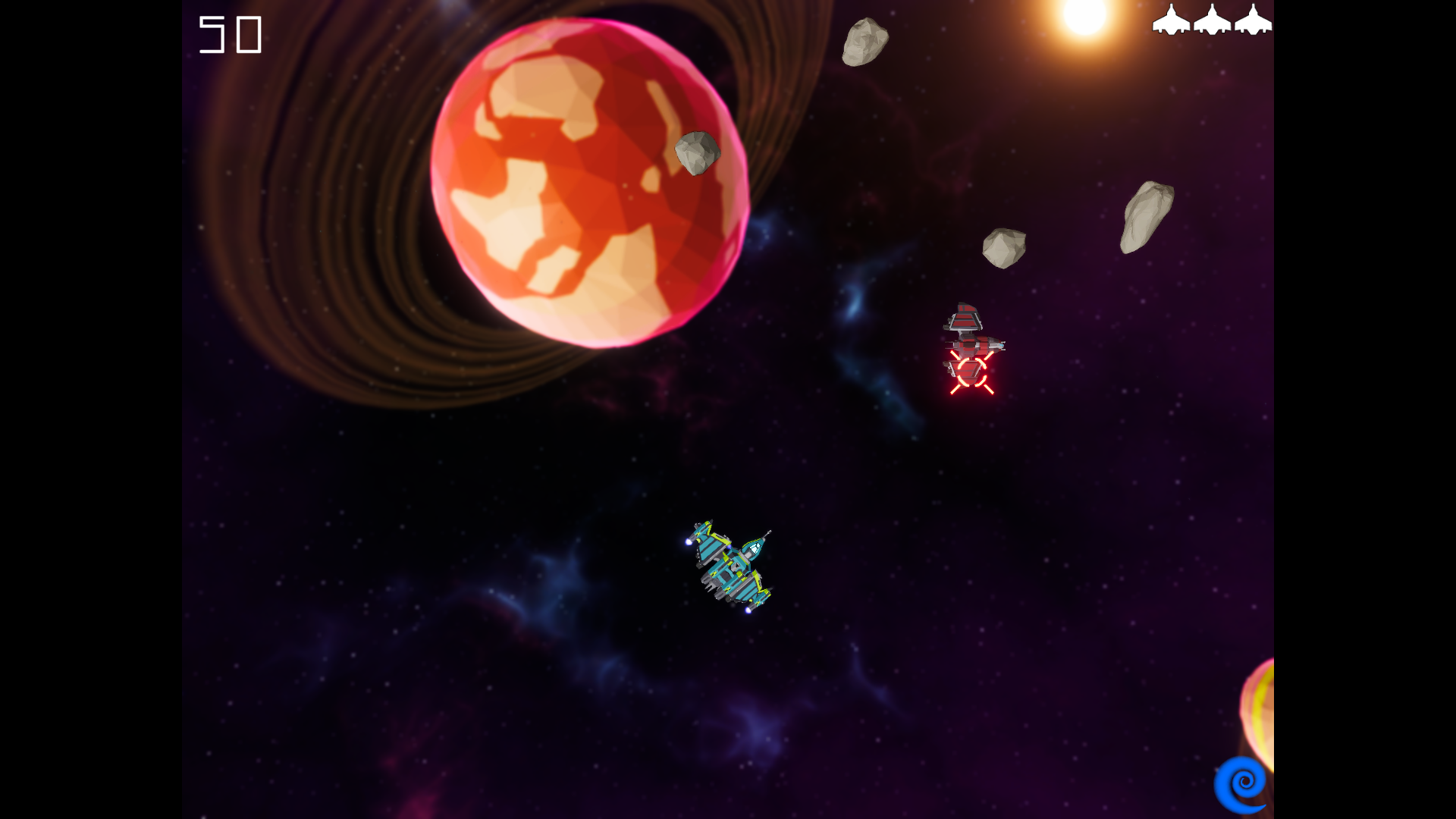


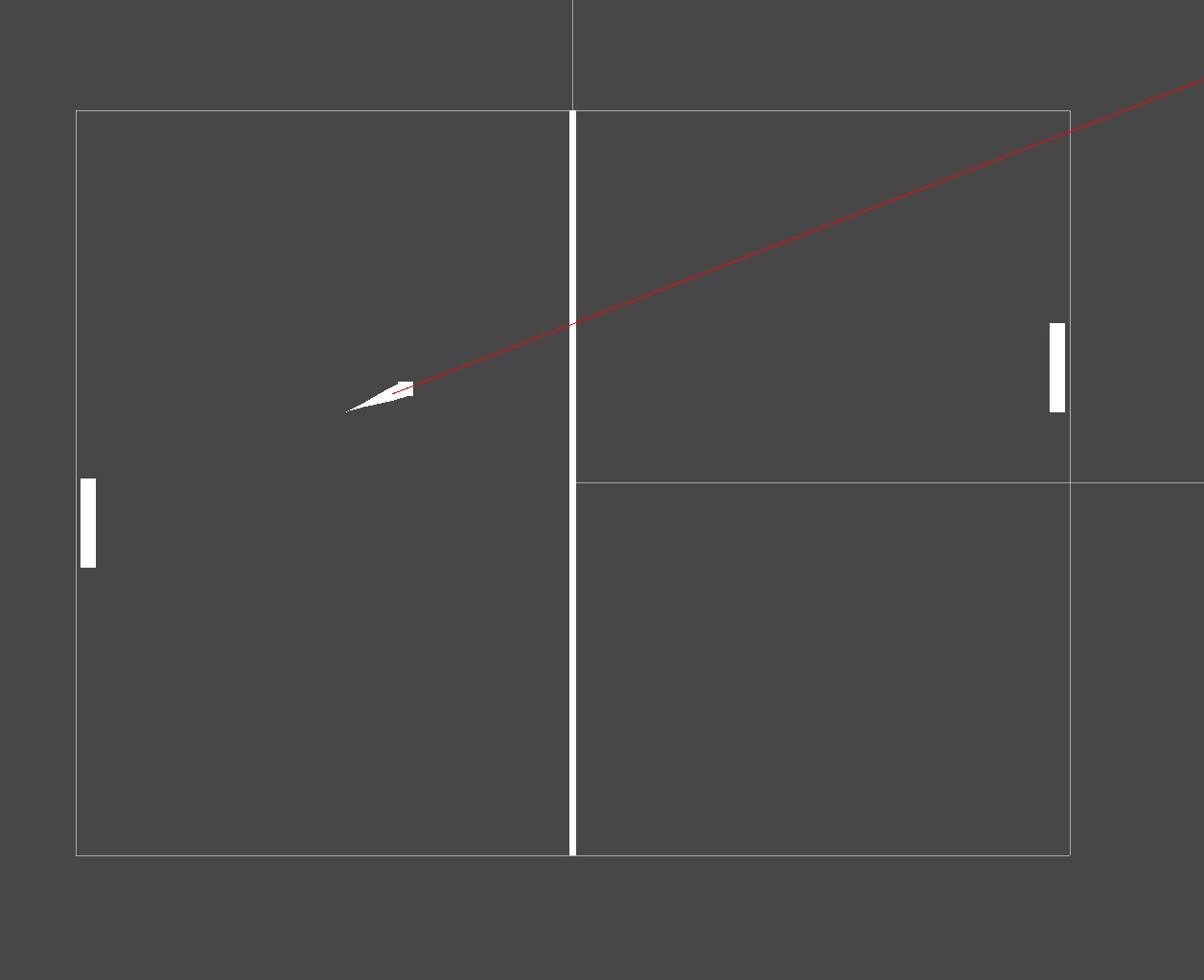


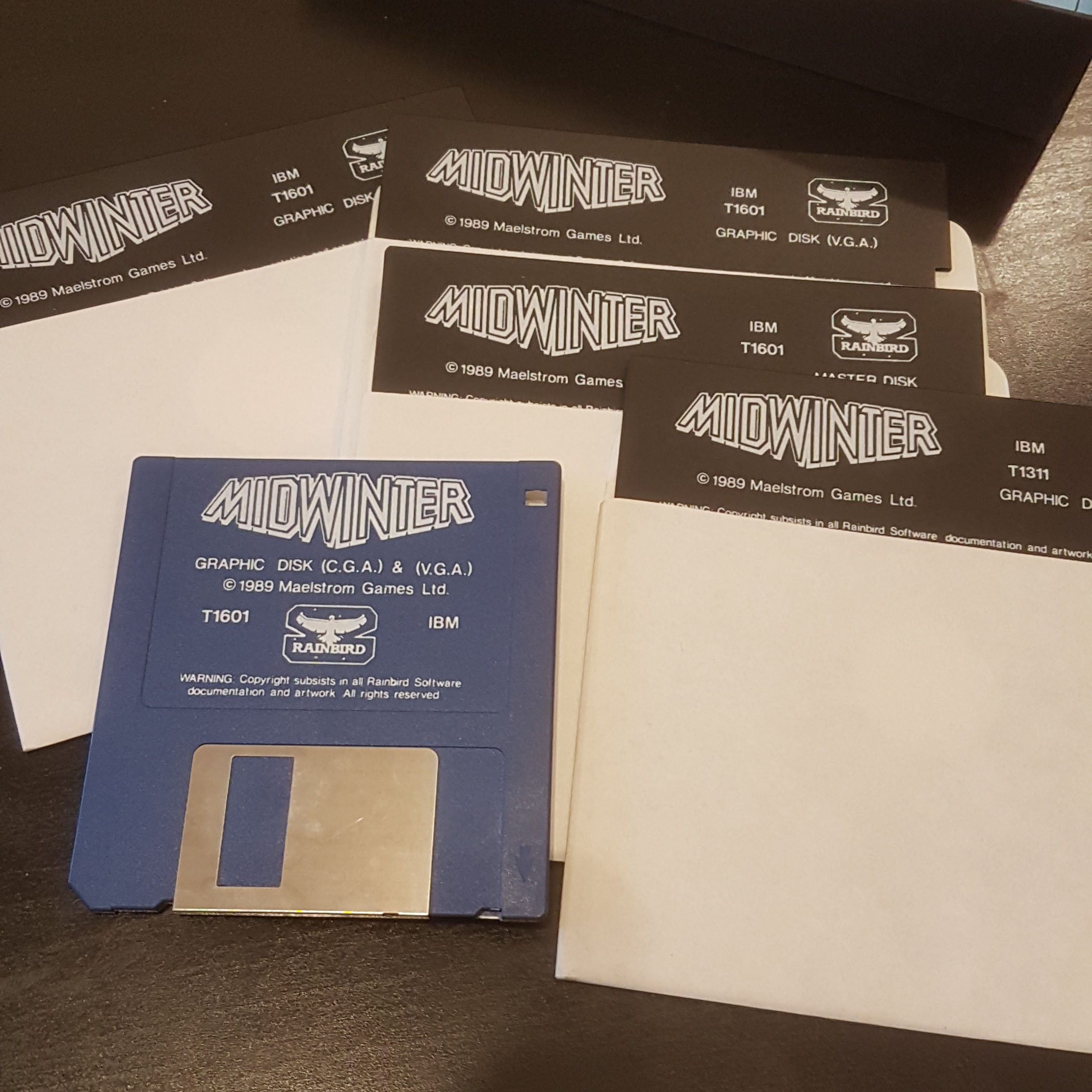
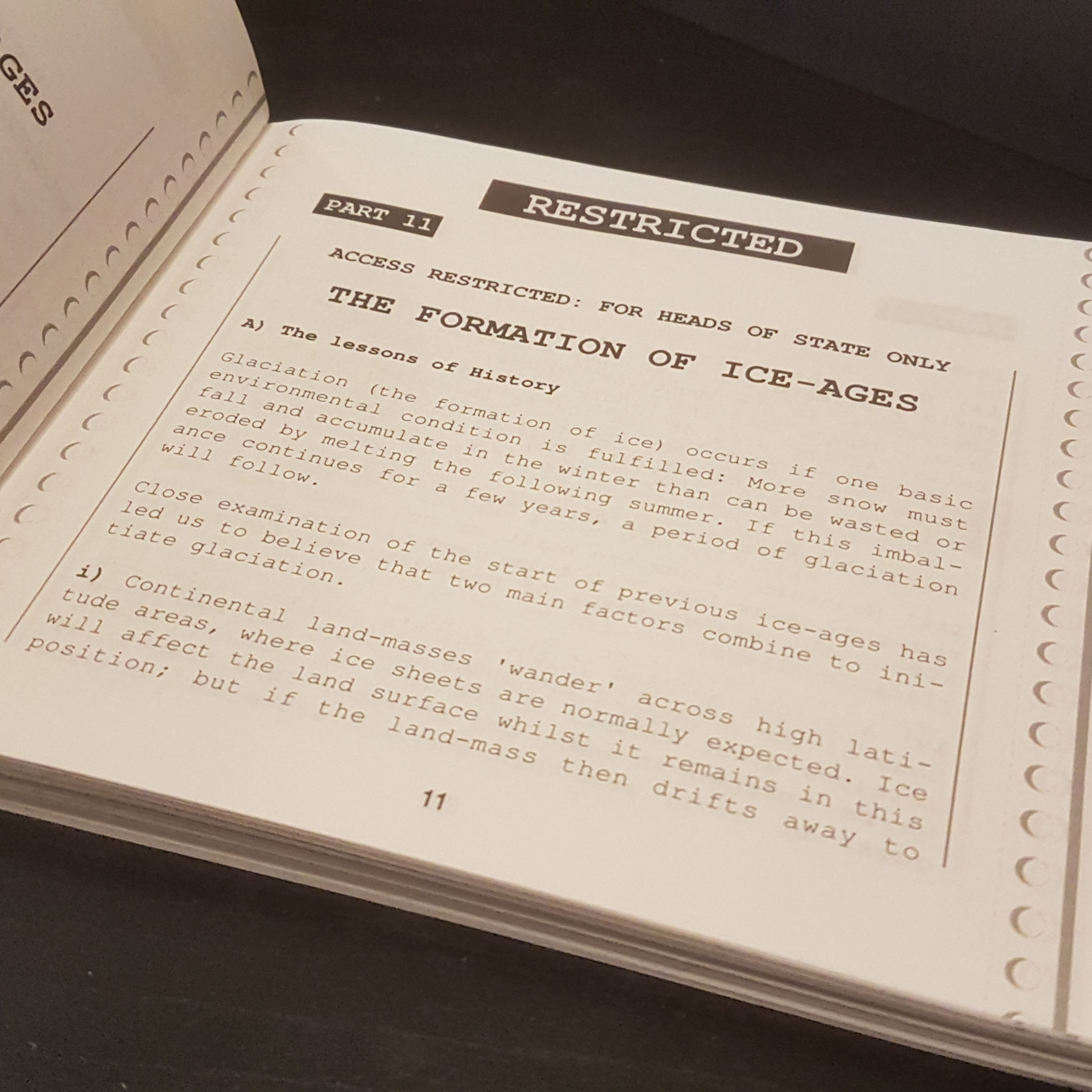
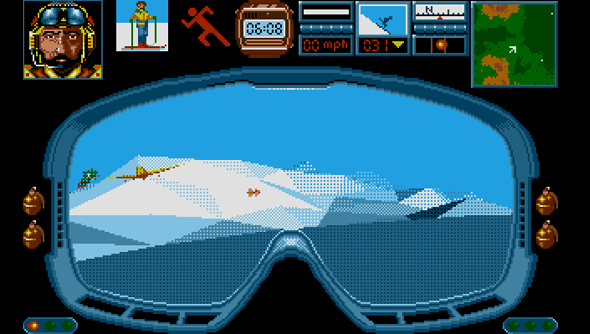


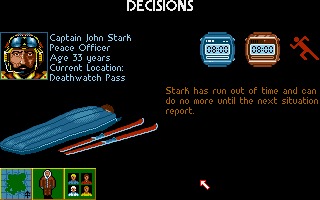
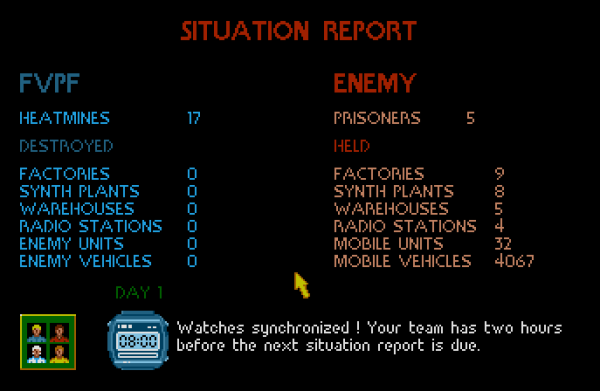




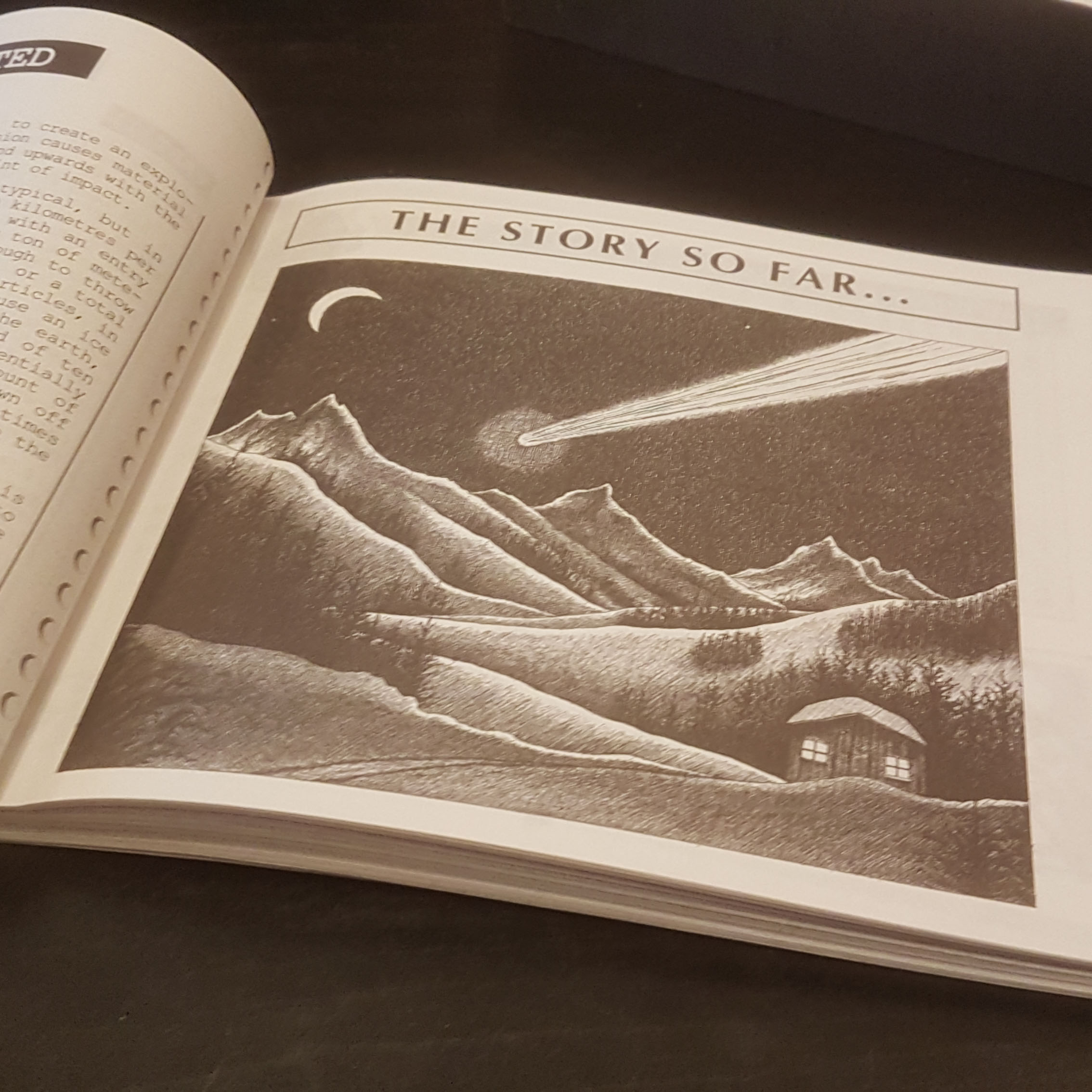


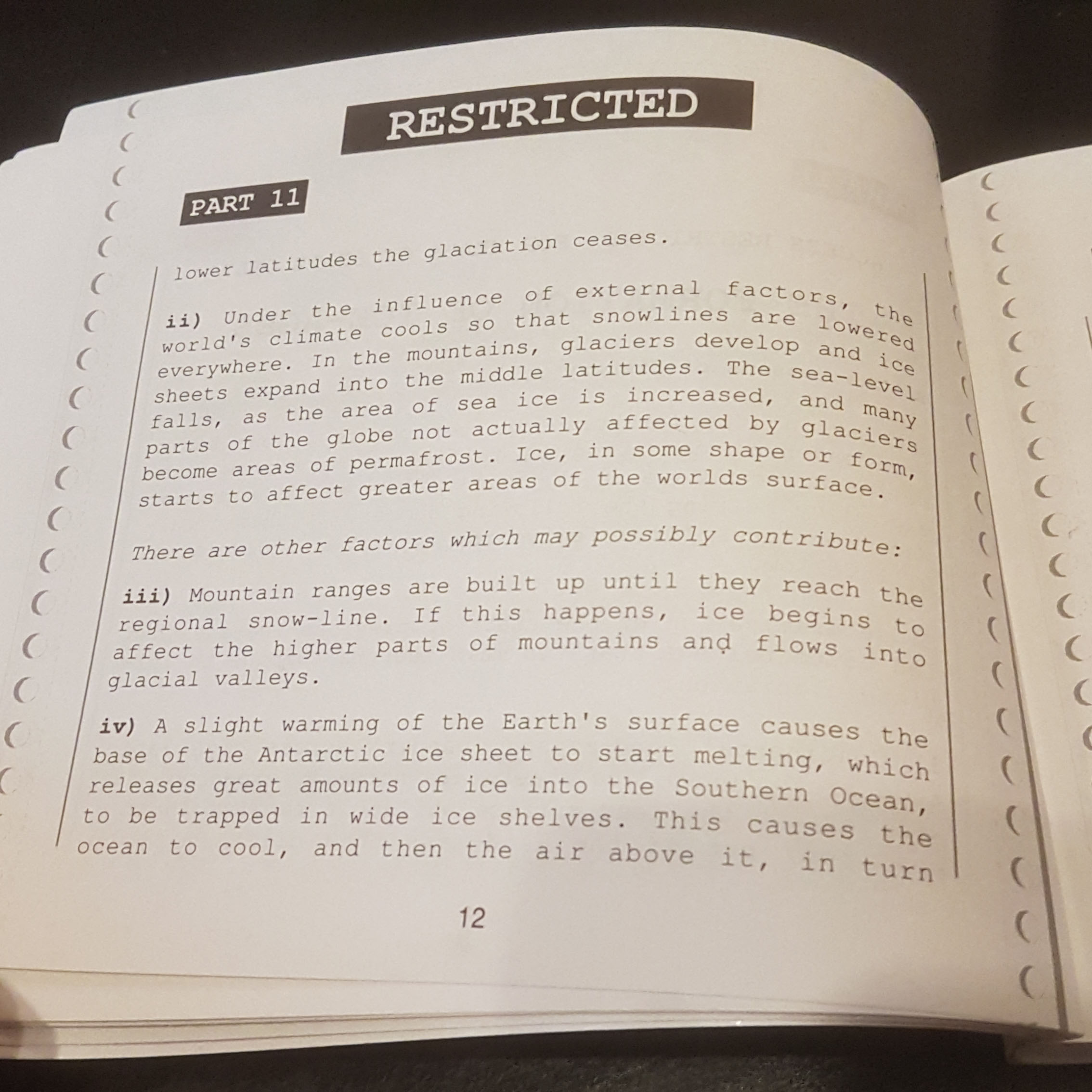

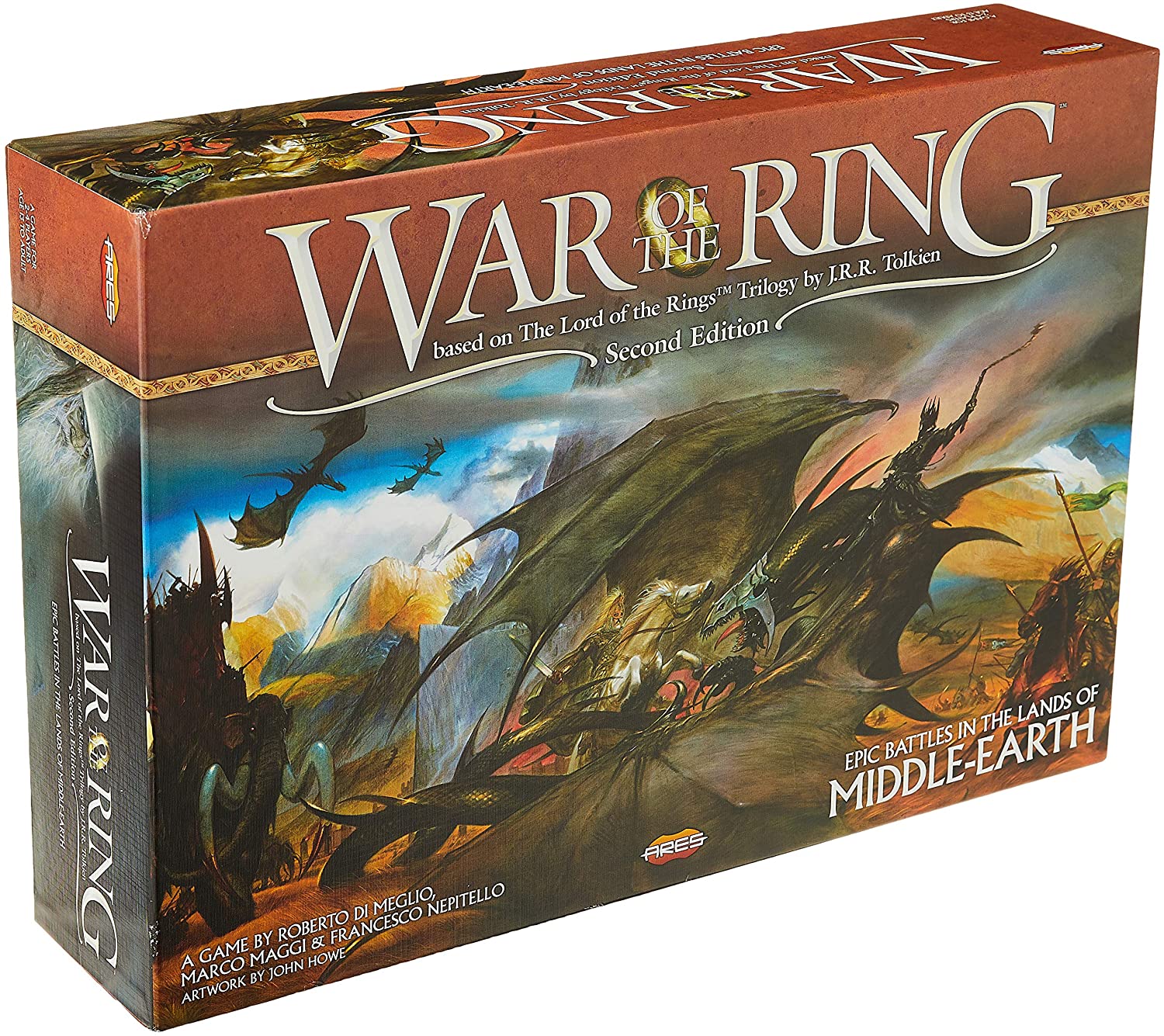
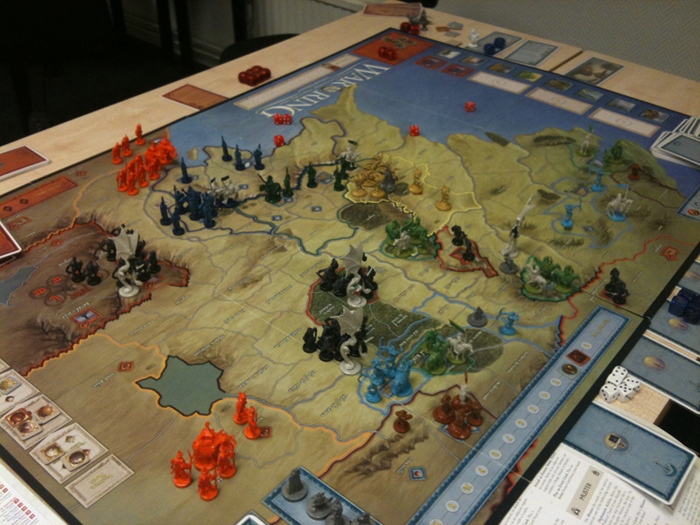


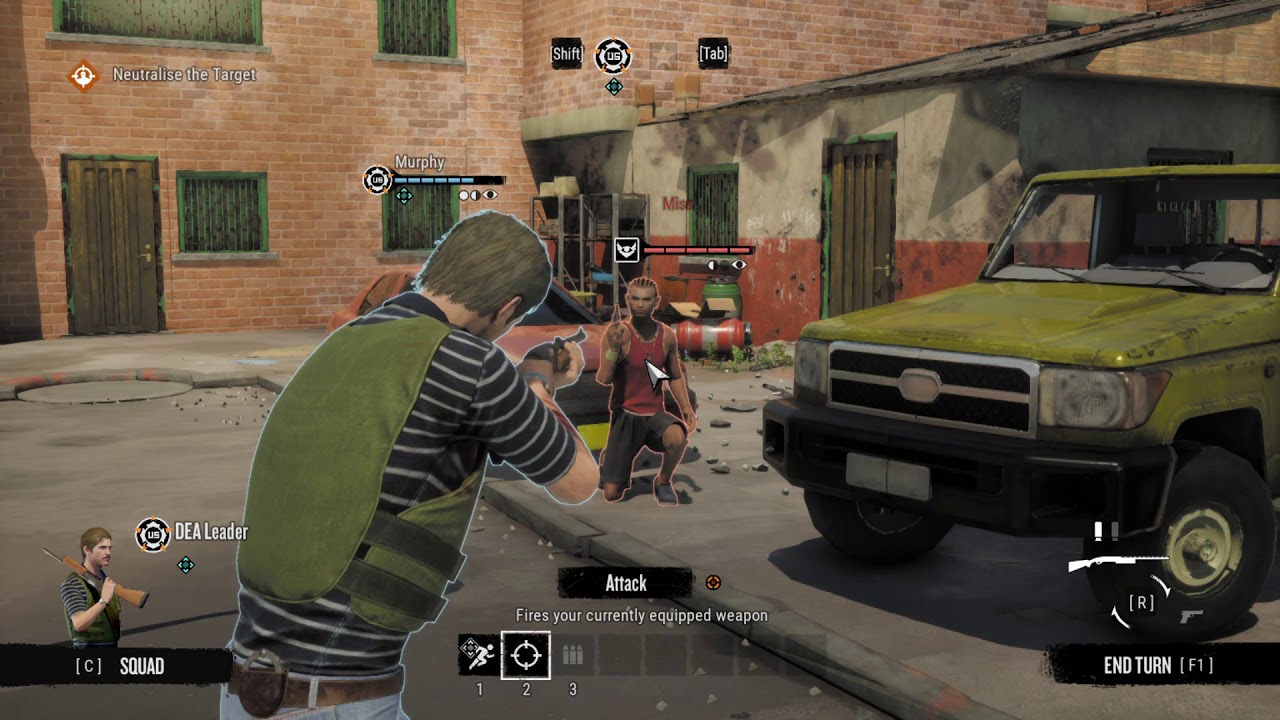
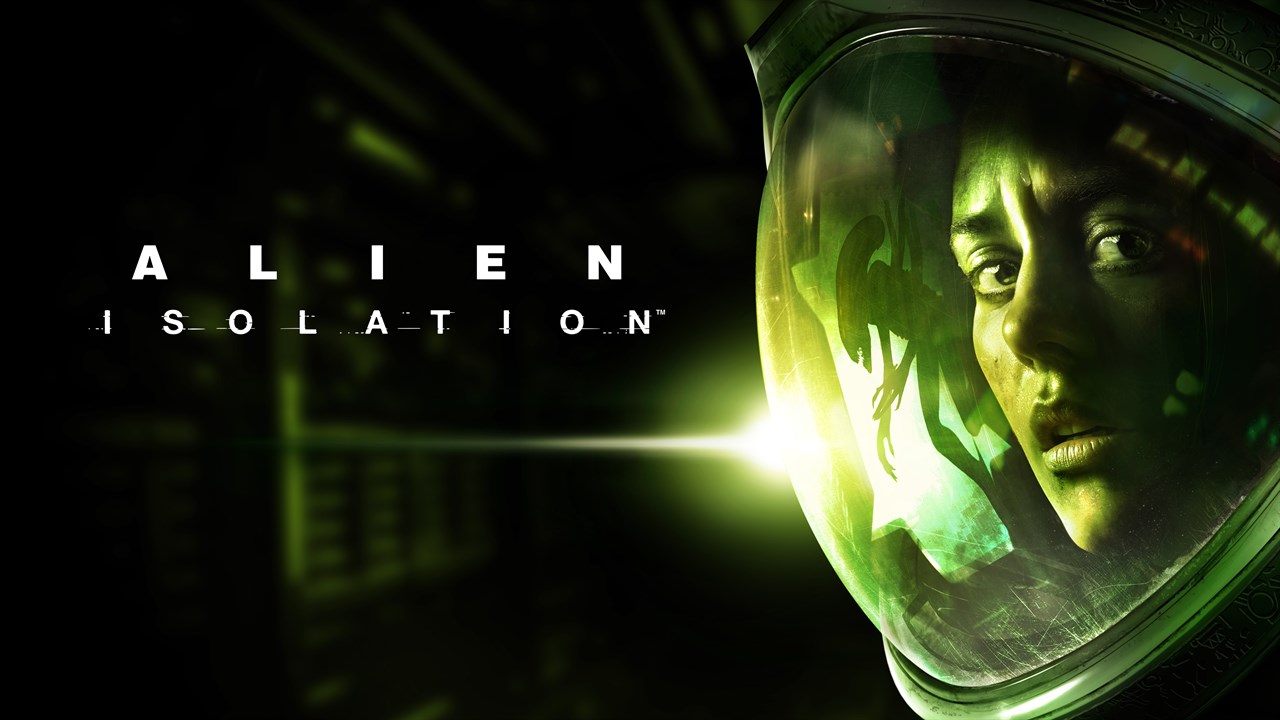


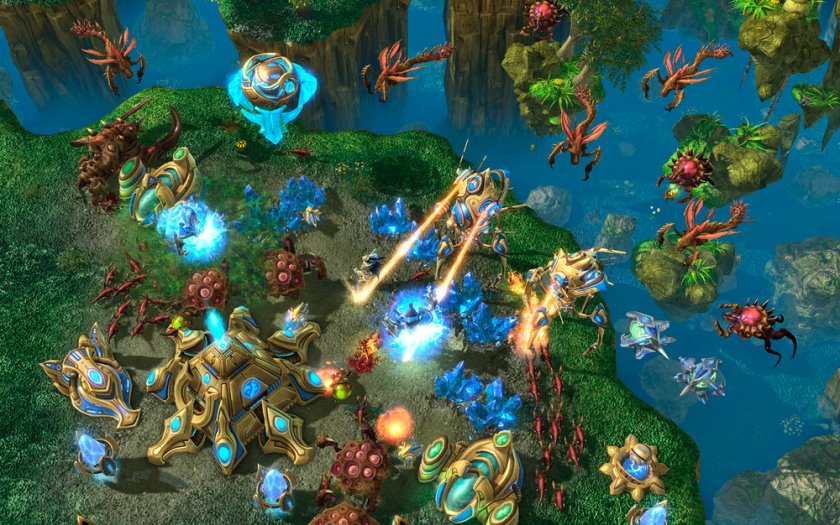



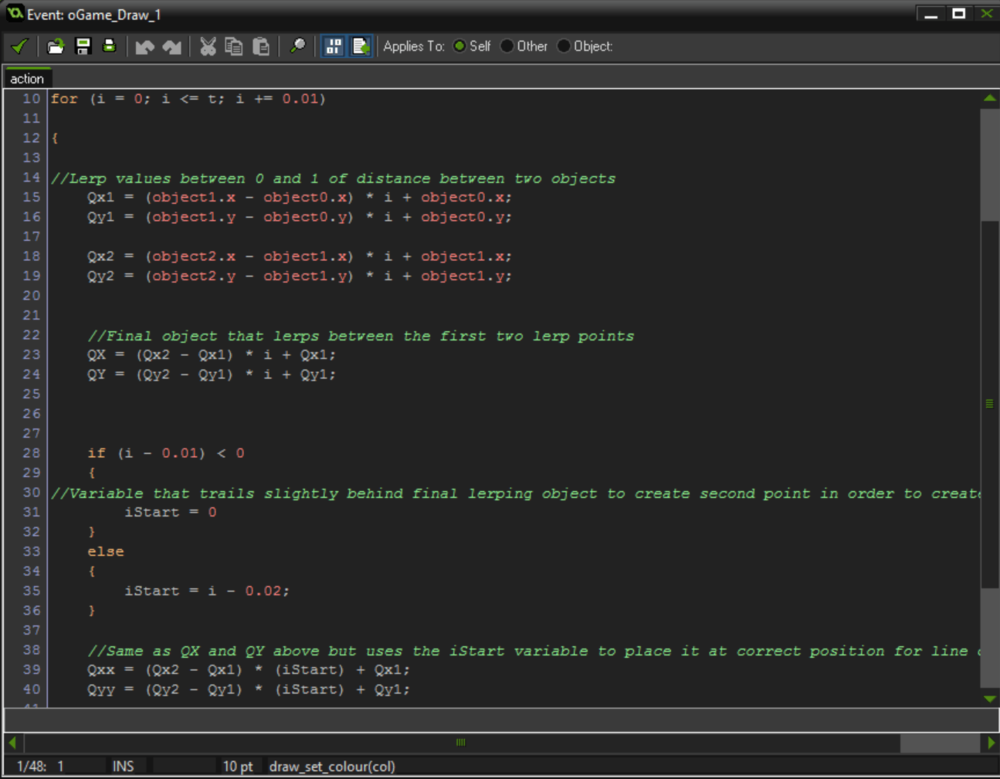
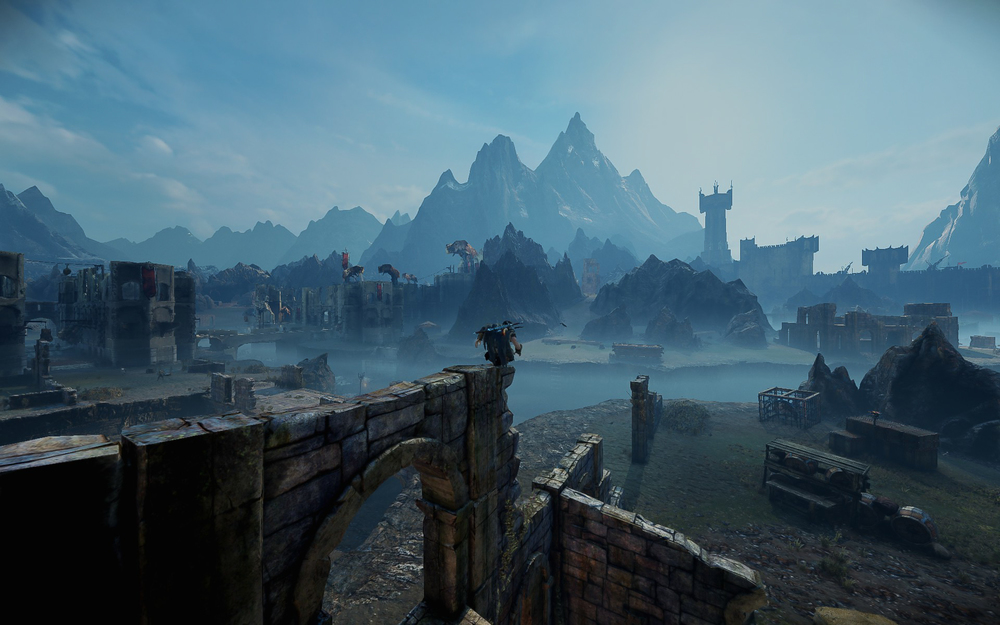


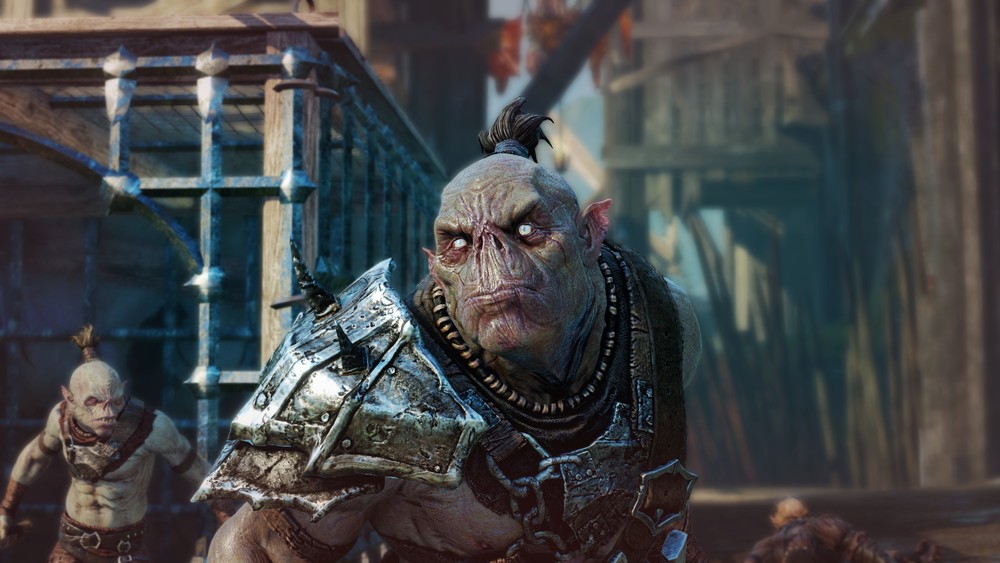

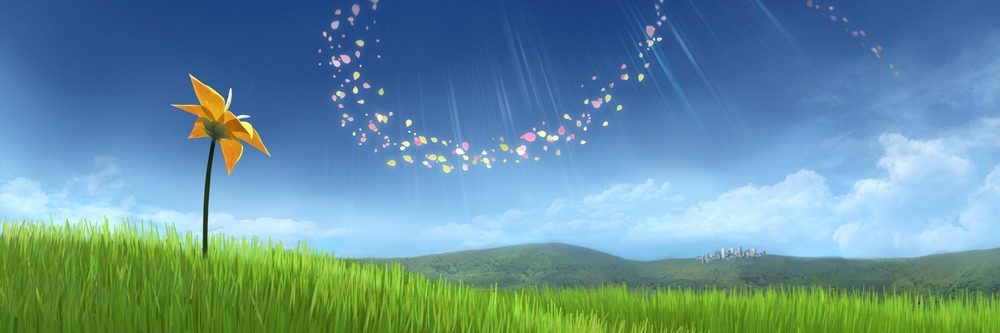
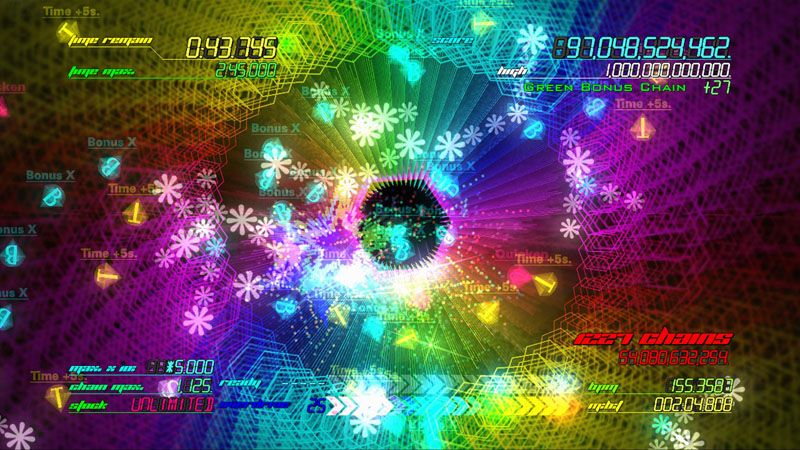
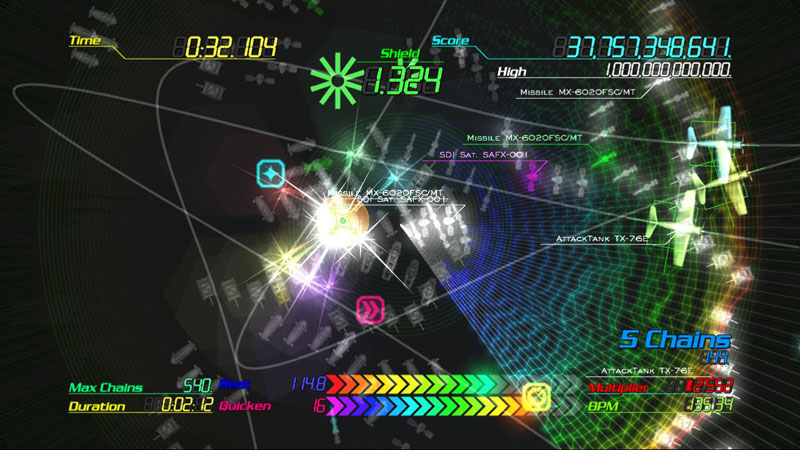


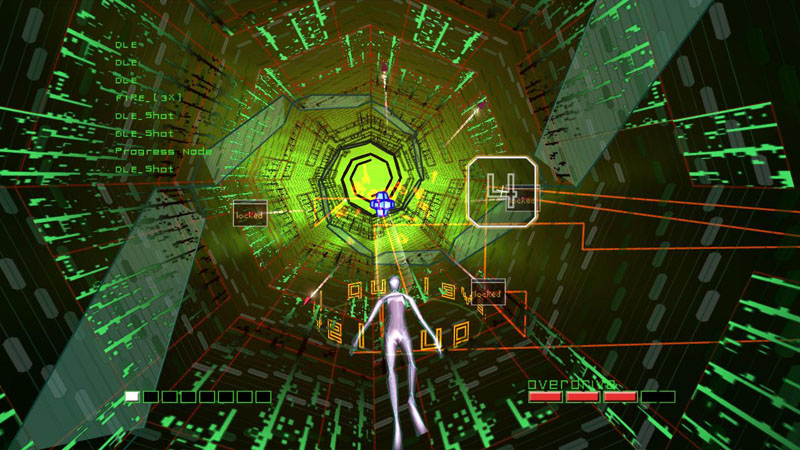
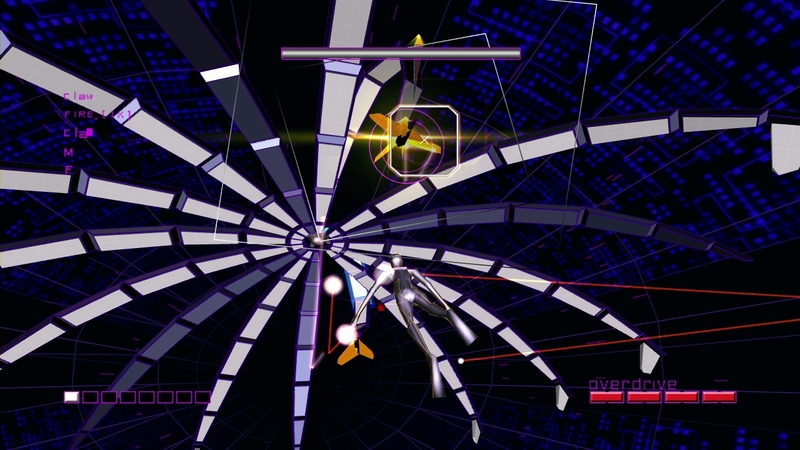
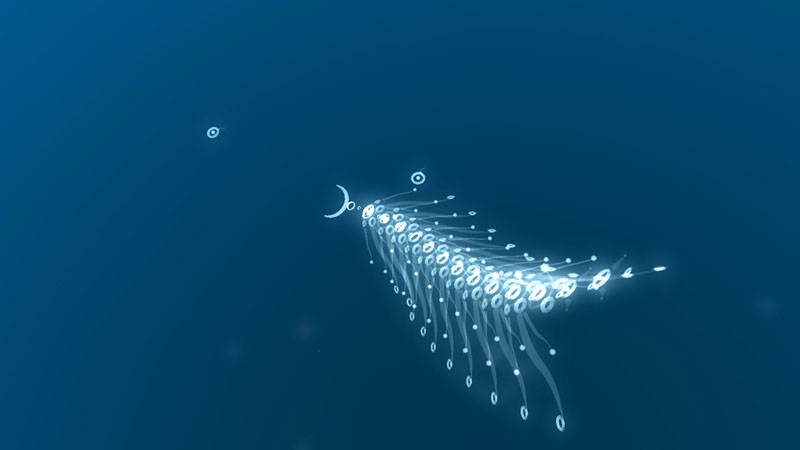
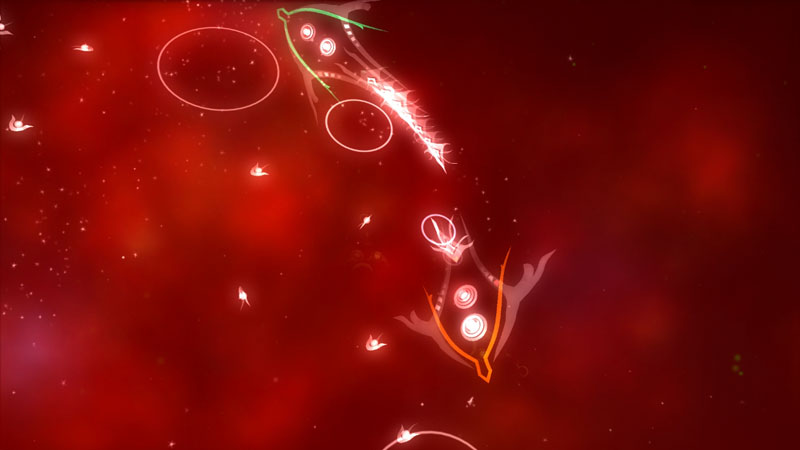


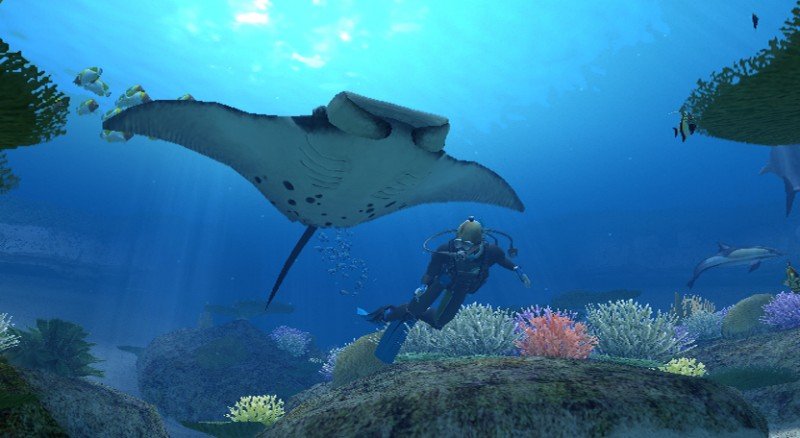


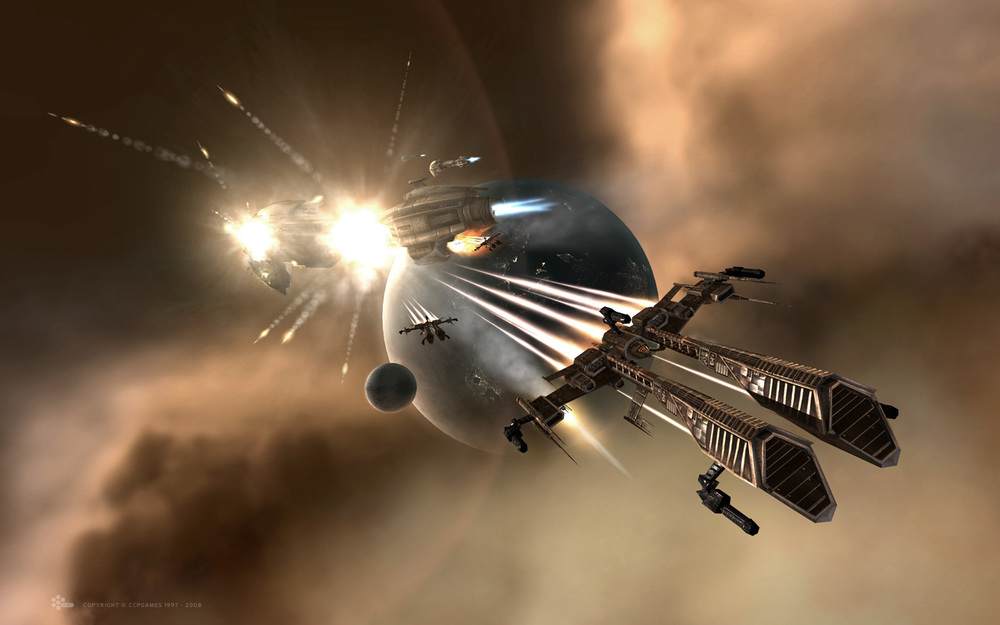



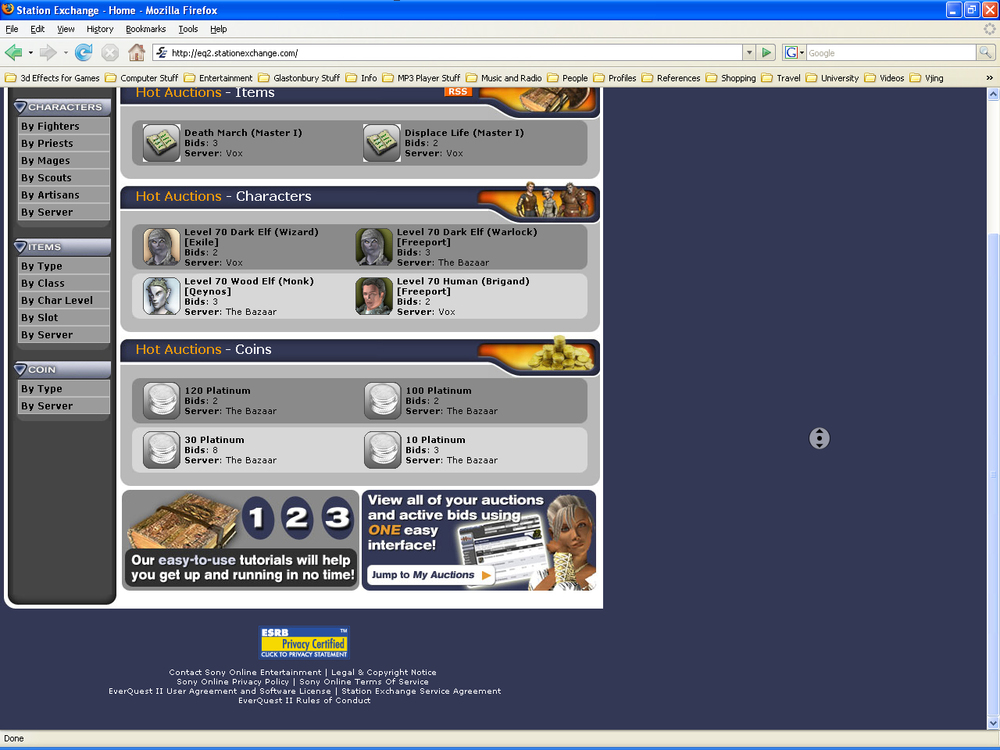
 Simon Halliday